
Why Indoor Herbs Are Worth the Space
Fresh flavor shouldn’t require a trip to the store or a full garden. Growing herbs indoors puts punchy, aromatic ingredients just steps away from your cutting board. Whether you live in a high rise or a studio apartment, a few clay pots on a windowsill can change the way you cook.
It’s also easy on the wallet. Store bought herbs often wilt before you use them twice. Indoor plants, on the other hand, just keep giving. With minimal watering and a little sunshine, you’ll have a constant supply of basil, mint, rosemary you name it.
Beyond the kitchen, there’s another layer of value. A few sprigs of greenery bring life to a room. Studies link indoor plants to reduced stress, sharpened focus, even improved air quality. It’s a small habit shift with big benefits.
See how greenery supports mood boosting homes.
Basil
Basil is your go to if you’ve got a bright, sunny windowsill. This herb loves warmth and light, so don’t hide it in a shady corner. Give it sun, and it’ll stay happy. To keep it growing strong, pinch off the top leaves often this encourages fuller, bushier growth and stops it from flowering too soon. No need for fancy tools; just your fingers will do. Fresh basil works overtime in the kitchen. Toss it into pestos, lay it fresh over a salad, or scatter some leaves onto whatever you’re cooking and it’ll elevate things fast. Instant freshness, without the trip to the grocery store.
Mint
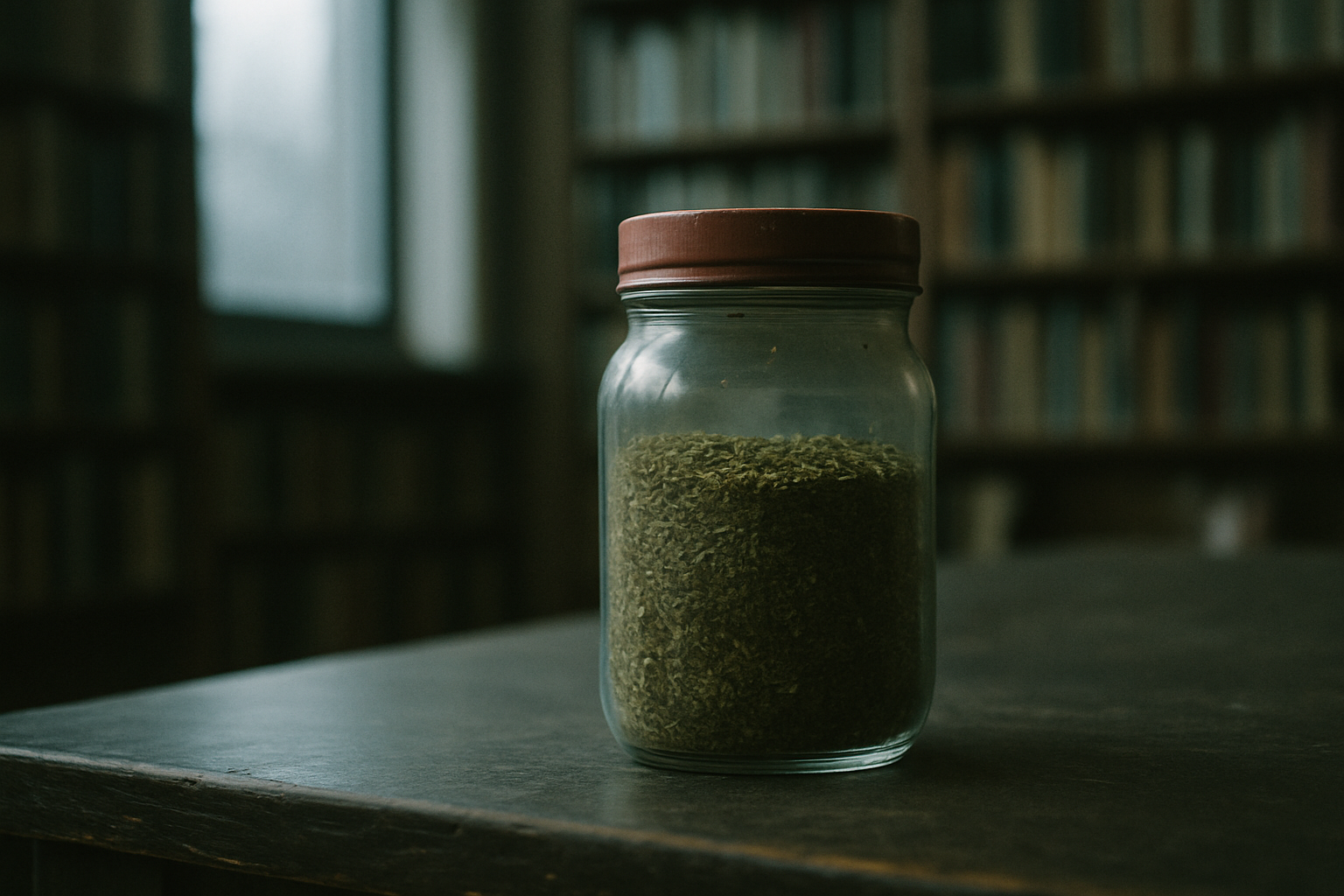
Mint doesn’t mess around. It grows fast, takes a beating, and comes back stronger. Its crisp, refreshing scent is a bonus in any kitchen but don’t let its charm fool you. Left unchecked, mint will spread like wildfire. That’s why containers are your best friend. Keep it confined, and it’ll thrive without taking over.
It’s also a multitasker in the kitchen. Brew it into soothing tea, muddle it into a proper mojito, or chop it up to add brightness to lamb, salads, or grain bowls. A low maintenance herb that earns its keep.
Rosemary
If you’re looking for an herb that holds its own visually and flavor wise rosemary is it. It thrives in bright light and demands well drained soil, so skip the soggy setups and give it a sunny window. Growth is slow but deliberate, and that patient pace pays off. The plant grows upright, giving it a structured, almost sculptural presence on your countertop or sill.
Flavor wise, rosemary packs a punch. Use it stripped and chopped to season hearty roasts, crisped potatoes, or rustic focaccia. Just a sprig or two can go a long way. Get the basics right with light and water, and rosemary will reward you with bold, evergreen flavor and a touch of indoor elegance.
Thyme
Thyme earns its spot as one of the most adaptable herbs for indoor growing. It’s compact, fuss free, and delivers a big punch of flavor for such a small plant. If you’re short on space, this is the herb for you.
Why Thyme Works Indoors
Compact growth: Perfect for window sills and kitchen counters
Low maintenance: Doesn’t need constant attention
Great in small pots: Thrives in confined spaces with the right care
Care Tips for Healthy Thyme
Place in a sunny spot with moderate light, ideally near a south facing window
Avoid overwatering thyme prefers slightly dry, well drained soil
Trim regularly to encourage new growth without letting it get too woody
How to Use Thyme in the Kitchen
One of thyme’s best qualities is its versatility. A small snip goes a long way, whether you’re cooking comfort foods or experimenting with new recipes.
Add to soups and stews for depth of flavor
Infuse oils or butters for a gourmet touch
Sprinkle onto roasted vegetables or meats right before serving
Thyme may be small, but it brings substance and style to any indoor herb garden.
Chives
Chives are one of the easiest herbs to grow indoors perfect for beginners who want fast results and fresh flavor.
Fast Growing and Forgiving
Chives grow quickly, making them a rewarding choice for indoor gardeners
They thrive with regular snipping, which also encourages fuller growth
Lighting and Soil Needs
Place in a spot with indirect sunlight they don’t need intense rays
Keep soil evenly moist, but avoid letting it get soggy
In the Kitchen
Chives are more than just a garnish they’re a kitchen workhorse that adds a mild onion like flavor to a variety of dishes:
Sprinkle into omelets, soups, or savory dips
Use as a vibrant, aromatic topping for baked potatoes
Blend into cream cheese or butter for a flavorful spread
Your Indoor Herb Toolkit
You don’t need much to build a thriving indoor herb setup just the basics and a little consistency. Start with containers that have proper drainage. Herbs hate sitting in water, and soggy roots are a quick route to failure. Place them where they’ll get at least six hours of sunlight a day a south facing windowsill is gold. And don’t forget to trim. Regular snipping not only keeps your herbs tidy but encourages new growth.
Rotate the pots every few days so each side gets equal sun exposure. It’s a small move that helps prevent lopsided growth and keeps plants strong. As for watering: ease off. Most herbs prefer slightly dry conditions between waterings, so when in doubt, skip a day.
One more thing your space matters. Indoor gardening fits neatly with decluttering. Fewer distractions, more oxygen, and some greenery make for a lighter, calmer mind. Want more of that kind of balance? Explore how a clean space can boost your mood.
 Mary McCallisterolls writes the kind of interior design tips content that people actually send to each other. Not because it's flashy or controversial, but because it's the sort of thing where you read it and immediately think of three people who need to see it. Mary has a talent for identifying the questions that a lot of people have but haven't quite figured out how to articulate yet — and then answering them properly.
They covers a lot of ground: Interior Design Tips, Sustainable Living Solutions, Home Improvement Trends, and plenty of adjacent territory that doesn't always get treated with the same seriousness. The consistency across all of it is a certain kind of respect for the reader. Mary doesn't assume people are stupid, and they doesn't assume they know everything either. They writes for someone who is genuinely trying to figure something out — because that's usually who's actually reading. That assumption shapes everything from how they structures an explanation to how much background they includes before getting to the point.
Beyond the practical stuff, there's something in Mary's writing that reflects a real investment in the subject — not performed enthusiasm, but the kind of sustained interest that produces insight over time. They has been paying attention to interior design tips long enough that they notices things a more casual observer would miss. That depth shows up in the work in ways that are hard to fake.
Mary McCallisterolls writes the kind of interior design tips content that people actually send to each other. Not because it's flashy or controversial, but because it's the sort of thing where you read it and immediately think of three people who need to see it. Mary has a talent for identifying the questions that a lot of people have but haven't quite figured out how to articulate yet — and then answering them properly.
They covers a lot of ground: Interior Design Tips, Sustainable Living Solutions, Home Improvement Trends, and plenty of adjacent territory that doesn't always get treated with the same seriousness. The consistency across all of it is a certain kind of respect for the reader. Mary doesn't assume people are stupid, and they doesn't assume they know everything either. They writes for someone who is genuinely trying to figure something out — because that's usually who's actually reading. That assumption shapes everything from how they structures an explanation to how much background they includes before getting to the point.
Beyond the practical stuff, there's something in Mary's writing that reflects a real investment in the subject — not performed enthusiasm, but the kind of sustained interest that produces insight over time. They has been paying attention to interior design tips long enough that they notices things a more casual observer would miss. That depth shows up in the work in ways that are hard to fake.