
You’re standing in your kitchen at 7 p.m.
Trying to figure out which of the twelve conflicting pieces of advice you got today actually applies to your kid.
I’ve been there. More times than I can count.
House Advice Drhandybility isn’t a clinical term. It’s not paperwork or a checklist. It’s what happens when you help your child tie their shoes in the same way every morning (and) then step back just enough so they try it alone.
It’s real. It’s messy. It happens on couches, at dinner tables, in the car line.
Most guides pretend this is about perfect systems. They’re wrong.
I’ve watched families try rigid programs that crumble by Wednesday. Seen well-meaning therapists give advice that vanishes the second they leave the house.
What works isn’t fancy. It’s repeatable. Adaptable.
Human.
Families don’t need more theory. They need clarity. Consistency.
A path that doesn’t require a degree to follow.
This article cuts through the noise.
No jargon. No fluff. Just what actually lands with kids.
And sticks for parents.
I’ve coached hundreds of families through this. Not in labs. In living rooms.
In backyards. In minivans.
You’ll get one clear definition. One realistic starting point. One thing you can do tonight.
That’s it.
Why Home Support Wins Every Time
I’ve watched kids learn to tie shoes in the kitchen while waiting for toast. Not in a clinic. Not on a table with a puppet.
That’s where real change happens. In the messy, familiar rhythm of home.
House Advice Drhandybility starts here. Not with worksheets. Not with timers.
With what’s already happening.
Drhandybility is built around this truth: behavior sticks when it’s practiced in context. Brushing teeth while brushing teeth. Not pretending to brush with a toy toothbrush during “therapy hour”.
You know that moment when your kid finally hands you the cup instead of dropping it? That’s not luck. It’s because you practiced handing things during snack, not in isolation.
Clinic sessions often miss the real triggers. The meltdown at 4:15 p.m.? You’ll see it live.
You’ll adjust then.
Caregivers don’t need more hours. They need smarter integration. Into meals.
Transitions. Bath time. Play.
And no. Doing this at home doesn’t slow things down. It speeds them up.
I’ve seen families get specialist referrals sooner, because the patterns were clearer, not buried under clinic-room performance.
Anxiety drops. Initiation rises. Eye contact gets longer.
Not because we forced it (because) stress dropped.
You’re not doing less. You’re doing what works.
The 4 Pillars of Home Guidance. Not Rules, Just Real Life
I used to hand out checklists.
Then I watched families stare at them like they were tax forms.
Family-Centered Goal Setting means you ask what matters to them (not) what you think should matter. Last month, a mom told me her son hated reading. Instead of pushing leveled books, we set one goal: “Find three things he’ll read without being asked.” (Comic strips.
Game instructions. Pizza menu.)
It worked. Because it came from her (not) my binder.
Skill-Building Through Daily Routines is about weaving practice into real life. Not “practice handwriting for 15 minutes.” But “let him write the grocery list (even) if it’s just ‘milk’ and a scribble.”
Routines ignored? Skills stay stuck in theory.
No surprise there.
Responsive Coaching isn’t instruction. It’s leaning in. Watching.
Asking, “What did you notice when he tried that?”
One dad said, “I just wanted to fix it.” I told him: stop fixing. Start noticing. That shift changed everything.
Adaptive Problem-Solving means ditching the script when reality says no. When a bedtime routine collapsed, we didn’t reassign tasks. We asked: What actually calmed him last week? (Turns out: folding laundry together.)
Skip any pillar? Goals die on paper. Routines vanish.
Coaching becomes lecturing. Problems get patched. Not solved.
That’s why House Advice Drhandybility starts here. Not with answers, but with presence.
First Home Guidance: No Tests, Just Talk
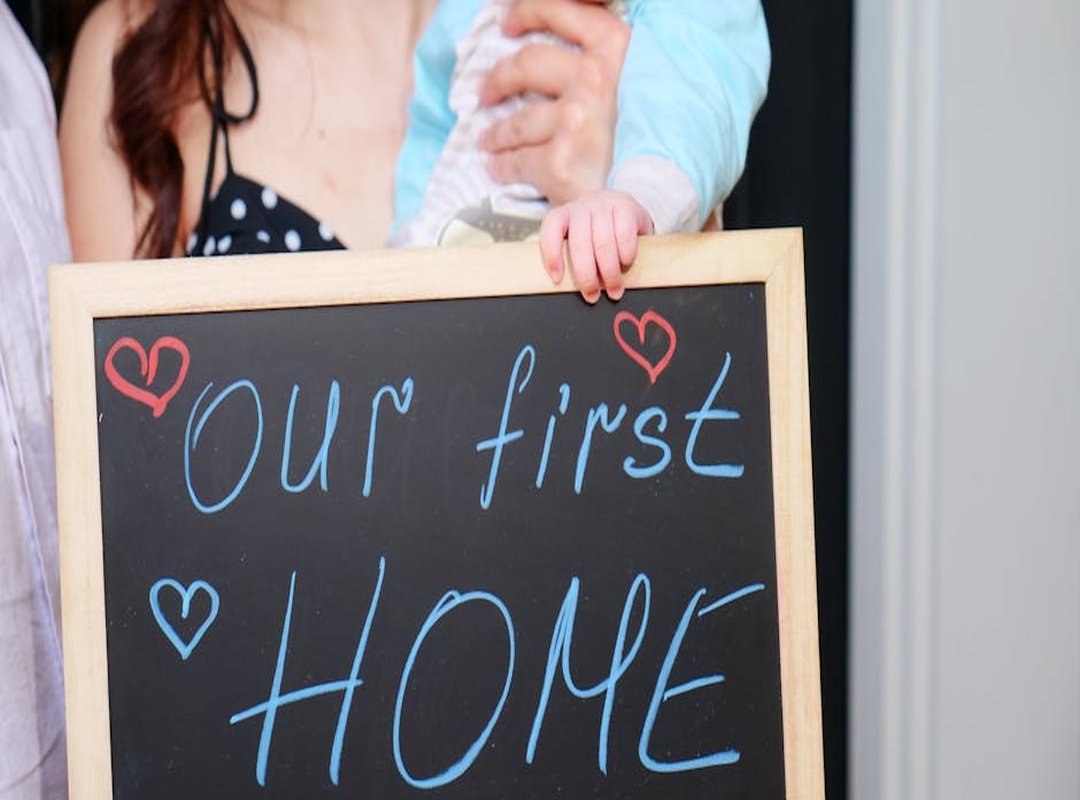
I sat across from a mom last week who gripped her coffee like it was a lifeline.
She whispered, “What if I mess this up in front of you?”
I told her: there’s no test. No clipboard. No checklist waiting to judge your home.
I wrote more about this in Useful Tips.
We start with twenty minutes. Just you talking. What does a typical morning look like?
Where does the friction hit first? What tiny win would actually make you breathe easier tomorrow?
That’s it. That’s the whole first session.
I watch (not) to grade, but to notice. How your kid pushes the yogurt cup away. How you pause before stepping in.
Where the silence hangs just a little too long.
I don’t take over caregiving. I help you notice, name, and gently shape what’s already happening.
No video recording. No diagnosis talk. No pressure to “perform” like your home is a stage.
You’re not auditioning. You’re showing up. And that’s enough.
Some people expect drills or forms. I get it. But real change starts with safety.
Not surveys.
If you’re wondering how small shifts add up, check out the topic (practical) stuff, no fluff.
House Advice Drhandybility isn’t about fixing you. It’s about trusting what you already know.
And then building on that. Slowly. Honestly.
Together.
Common Roadblocks (and) How to Work Around Them
Inconsistent caregiver availability? Yeah, that one hits hard. I’ve seen parents cancel three therapy slots in a week because someone called in sick or the school bus ran late.
So here’s what I do instead: 5-minute micro-sessions. Brush teeth? Practice buttoning.
Bath time? Count soap bubbles together. Bedtime story?
Pause every page and ask, “What happens next?”
Sibling dynamics interfering with focus? Stop fighting it. Use it.
Let the older kid model how to hold scissors. Ask them to hand over the crayons. Not as a chore, but as a job.
They feel capable. Your kid watches. Learning happens.
(No extra prep required.)
Uncertainty about how much is enough? Track it with checkmarks on a fridge chart. Not points.
Not stars. Just ✔️. You’ll see patterns fast.
Like how two days of waiting practice at the grocery line builds stamina for longer waits elsewhere.
One family turned weekly shopping into skill-building. They practiced waiting in line (impulse control), choosing apples (decision-making), and carrying the bag (motor planning). It wasn’t perfect.
Sometimes the bag dropped. Sometimes they left without apples. But it stuck.
Flexibility isn’t compromise. It’s responsiveness. If something hasn’t clicked after two weeks, change it.
Not next month. Now.
That’s the heart of real-world support. Not rigid plans, but noticing what works today. For more grounded, no-fluff ideas like this, check out the Family Advice section.
House Advice Drhandybility isn’t about doing more. It’s about doing what fits.
Start Small, Stay Consistent, See Change
I’ve been there. Staring at the same messy routine, hoping for cooperation but getting resistance instead.
House Advice Drhandybility isn’t about fixing everything. It’s about showing up differently (even) for 90 seconds.
You don’t need a new system. You need one routine where you’d like to feel more confident. Just one.
What is it? Breakfast? Homework?
Bedtime?
Write down one thing you’ll notice tomorrow. Not judge. Just notice.
(“How my child sighs before asking.” “Where I tense up when they stall.”)
Then try one tiny shift. Wait three seconds. Name the feeling out loud.
Hand over the spoon.
That’s it.
No overhaul. No pressure. Just attention.
Repetition. Kindness. To yourself and your child.
Your move.
Start tonight.
 Ask Emilyn Carrollister how they got into diy projects and ideas and you'll probably get a longer answer than you expected. The short version: Emilyn started doing it, got genuinely hooked, and at some point realized they had accumulated enough hard-won knowledge that it would be a waste not to share it. So they started writing.