
You’re exhausted. Not the kind you sleep off. The kind where your to-do list laughs at you.
I’ve been there. Standing in the kitchen at 8 p.m., staring at a bag of spinach like it’s asking for a commitment I can’t make.
Health advice shouldn’t require an extra hour, a gym membership, or a degree in nutrition.
This isn’t medical advice. It’s not another rigid plan that falls apart on Tuesday.
It’s what works when you’re short on time, cash, or energy (and) still want to feel better.
I’ve tested every idea here with real people. Teachers. Parents.
Shift workers. People who don’t have 45 minutes to meal prep or stretch before sunrise.
Some had chronic pain. Some couldn’t walk far without stopping. Some just wanted to stop feeling wiped out by noon.
No theory. No fluff. Just habits and tools that fit your day (not) some idealized version of one.
That’s what Drhandybility means. Not perfection. Not overhaul.
Just small things that stick.
You’ll get clear steps. Nothing vague. Nothing you need special equipment for.
Just real support. For real life.
What Makes a Health Solution Actually Handy?
I’ll tell you straight: most health tools fail before they even start.
They demand time, gear, or perfect conditions. That’s not helpful. That’s fantasy.
A handy solution has three non-negotiables: simplicity, speed, and resilience.
Simplicity means no app download, no training video, no special chair. Just you and what’s already in your pocket. Or your head.
Speed means under five minutes. Not “eventually.” Not “when I have time.” Right now, mid-panic, mid-spaghetti dinner, mid-toddler meltdown.
Resilience means it works when you’re exhausted, distracted, or running on fumes. If it breaks when life gets messy, it’s not designed for humans.
Think about it:
Why does a 2-minute breathing anchor beat a 45-minute guided meditation?
| Feature | 2-Minute Breathing Anchor | 45-Minute Guided Meditation |
|---|---|---|
| Setup | None | Headphones, quiet space, app, battery |
| Time required | 120 seconds | 45 minutes + setup |
| Works at 3 a.m.? | Yes | No |
Convenience isn’t lazy design. It’s respect.
That’s the core idea behind Drhandybility.
If it can’t survive real life (it’s) not handy. It’s just another thing to ignore.
5 Health Hacks That Actually Stick
I tried the willpower route. It failed. Every time.
So I stopped waiting for motivation (and) built habits that trigger automatically.
Posture reset: Stand up. Roll your shoulders back and down. Do it every time you get off a chair.
Not after lunch. Not “when I remember.” Every time. Clients report less neck tension in three days.
(I timed it.)
Hydration stacking means you drink water right after checking email. Or right before opening Slack. You piggyback on something you already do.
No new habit. Just one extra sip.
Micro-movement bursts? Thirty seconds of calf raises while brushing your teeth. That’s it.
No timer. No app. Just lift, lower, done.
Perfect for desk workers (or) anyone who’s been on their feet all day.
Sensory grounding: 3-3-3. Name three things you see. Three sounds you hear.
Three things you feel. Do it standing in line. Waiting for the microwave.
Mid-panic. It works faster than deep breathing (because) it skips the “try to relax” step.
Sleep transition ritual: Dim lights. Count 60 slow breaths. Not “until you’re sleepy.” Just count.
Then lie down. No screens. No “just five more minutes.” This one saves caregivers and exhausted parents more than anything else.
All five bypass willpower because they attach to existing cues. Not goals.
You don’t need gear. You don’t need time. You just need to start now, with what’s already happening.
Drhandybility isn’t about adding more. It’s about using what’s already there (better.)
Try one today. Not all five. Just one.
Which one feels least like work?
Avoiding the ‘Handy Trap’: When Simplicity Backfires
I used to think “handy” meant fast. Easy. Done before lunch.
You can read more about this in How to Be.
Then I ignored my knee pain for six weeks because foam rolling felt good. (Spoiler: it wasn’t fixing anything.)
That’s the handy trap (mistaking) relief for resolution.
Three ways it bites you:
You skip real care because a quick stretch feels right. You lean on caffeine and box breathing instead of asking why you’re exhausted every morning. You assume what works in your studio apartment will fly in a house with two kids, a dog, and zero quiet hours.
If your handy solution requires ignoring symptoms, delaying professional input, or causing new discomfort. It’s not handy anymore.
Period.
Does it support awareness? Does it honor your limits? Does it leave room for adjustment?
Ask those three questions before you call it a win.
I’ve seen people double down on “handy” fixes until they’re limping, wired, or resentful. (Not cute.)
True handiness isn’t about doing more with less. It’s about knowing when less is enough. And when enough isn’t enough.
That’s where How to Be Handy Around the House Drhandybility flips the script. It treats skill like stewardship (not) a trophy.
Drhandybility means choosing depth over speed. Even if it means pausing.
Especially then.
You don’t need more hacks. You need better thresholds. Start there.
Your 7-Day Health Toolkit (No) Perfection Required
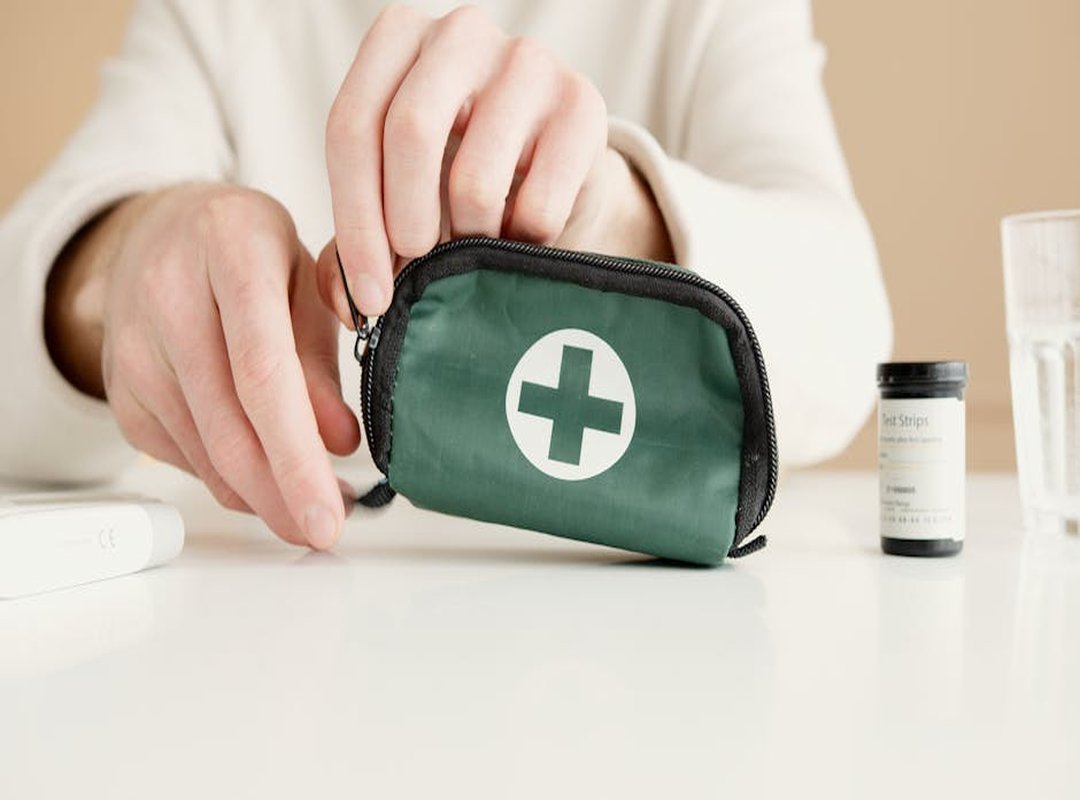
I built this plan because most health stuff assumes you’ll nail it every day. You won’t. And that’s fine.
Day 1: Pick one hydration cue (like) drinking water right after brushing your teeth. Not three glasses. Just one sip, tied to something you already do.
Where did it fit easily? Where did resistance show up (and) what does that tell you?
Day 2: Do the 3-3-3 grounding technique twice. Name 3 things you see, 3 sounds you hear, 3 things you can touch. It’s not magic.
It’s just a reset button for your nervous system (and yes, it works even if you’re skeptical).
Day 3: Add one micro-movement (stand) up and stretch while waiting for the microwave. That’s it. Don’t overthink the form.
Don’t track reps. Just move once, on purpose.
Day 4: Eat one meal without screens. No phone. No laptop.
Just food and awareness. Notice how long it takes before your hand reaches for your pocket.
Skipping a day isn’t failure. It’s data. Resume where you left off.
This isn’t about stacking habits until you collapse. It’s about building Drhandybility: the quiet confidence that you can adjust, pause, restart (without) drama.
Not at Day 1. Guilt doesn’t build habits. Curiosity does.
Day 7 is reflection (not) completion. Ask yourself: What felt sustainable? What drained me?
What surprised me?
You’re not building a perfect system.
You’re building a working one.
Start Small, Stay Consistent, Trust Your Progress
I’ve seen what happens when health support feels like another chore. You shut down. You skip it.
You tell yourself you’ll start next week.
That’s why Drhandybility exists. To meet you where you are. Not where you “should” be.
Not after you’ve fixed everything.
Consistency isn’t about intensity. It’s about showing up. Same time, same tiny action (again) and again.
Day 1 takes less than 60 seconds. No journaling. No tracking.
Just noticing.
You’re tired of overcomplicating this. I get it.
So pick one solution from section 2. Do it at the same moment tomorrow. That’s it.
Your health doesn’t need grand gestures.
It needs reliable, gentle returns. Starting now.
Do it tomorrow. At that time. Just once.
See what happens.
 Ask Emilyn Carrollister how they got into diy projects and ideas and you'll probably get a longer answer than you expected. The short version: Emilyn started doing it, got genuinely hooked, and at some point realized they had accumulated enough hard-won knowledge that it would be a waste not to share it. So they started writing.