
Smarter Homes, Smarter Renovations
Smart home tech has gone from buzzword to baseline. In 2026, if your renovation plan doesn’t include some level of automation, you’re already behind. Homeowners now expect integrated systems that do more than just turn on lights they want seamless interaction between climate control, lighting, security, and appliances. These systems are smarter, more energy efficient, and increasingly driven by AI that learns user habits and adjusts settings on the fly.
We’re seeing the shift from isolated gadgets to unified environments. Centralized hubs manage everything from temperature zones to real time surveillance, without needing a dozen apps to operate. This kind of whole home automation delivers both comfort and control two current renovation must haves.
And it’s not just about convenience. Sustainability is baked in. AI driven monitors now optimize energy use across systems, making it easier to track savings and carbon impact in real time. The data doesn’t lie smarter homes are greener homes.
Explore how these shifts are reshaping renovation priorities in How Smart Home Tech is Revolutionizing Modern Renovations.
Eco Conscious Materials Take the Lead
In 2026, sustainability isn’t just a trend it’s an expectation. Homeowners want materials that go easy on the planet without sacrificing performance, and the market is finally catching up. Low impact, high performance materials are showing up in everything from flooring to framing.
Leading the pack are options like recycled steel, bamboo, cork, and reclaimed wood. They’re durable, visually appealing, and come with a lighter environmental footprint than traditional building supplies. Builders aren’t just following preference they’re rethinking construction from the ground up to align with greener standards.
On the interior side, VOC free paints are now standard in premium renovations. Homeowners care about air quality just as much as aesthetics. The same goes for insulation. Options made from recycled denim, cellulose, and other sustainable sources are replacing fiberglass in projects that aim for long term impact and livability.
It’s not about compromise anymore it’s about building smarter from the materials up.
Modular & Prefab Everything
Speed and efficiency are the driving forces behind the modular and prefab boom. With traditional renovations often stretching timelines and budgets, homeowners are shifting to pre manufactured components that cut both dramatically. Modular construction reduces waste, limits labor costs, and keeps things on schedule three major wins that make it hard to ignore.
Prefab kitchen and bathroom units are no longer cookie cutter boxes. They’re sleek, customizable, and built off site to precision. That means fewer surprises during install and better quality control from the get go. Homeowners get style without the project drag.
And it’s not just about kitchens and baths. Modular side extensions think plug and play guest suites or backyard home offices are becoming go to solutions for adding space without reworking the whole house. They’re popular with remote workers, growing families, and anyone who wants more from the space they have, minus the six month construction marathon.
The message is clear: prefab isn’t just a trend it’s a smarter way to renovate.
Textures Over Trends
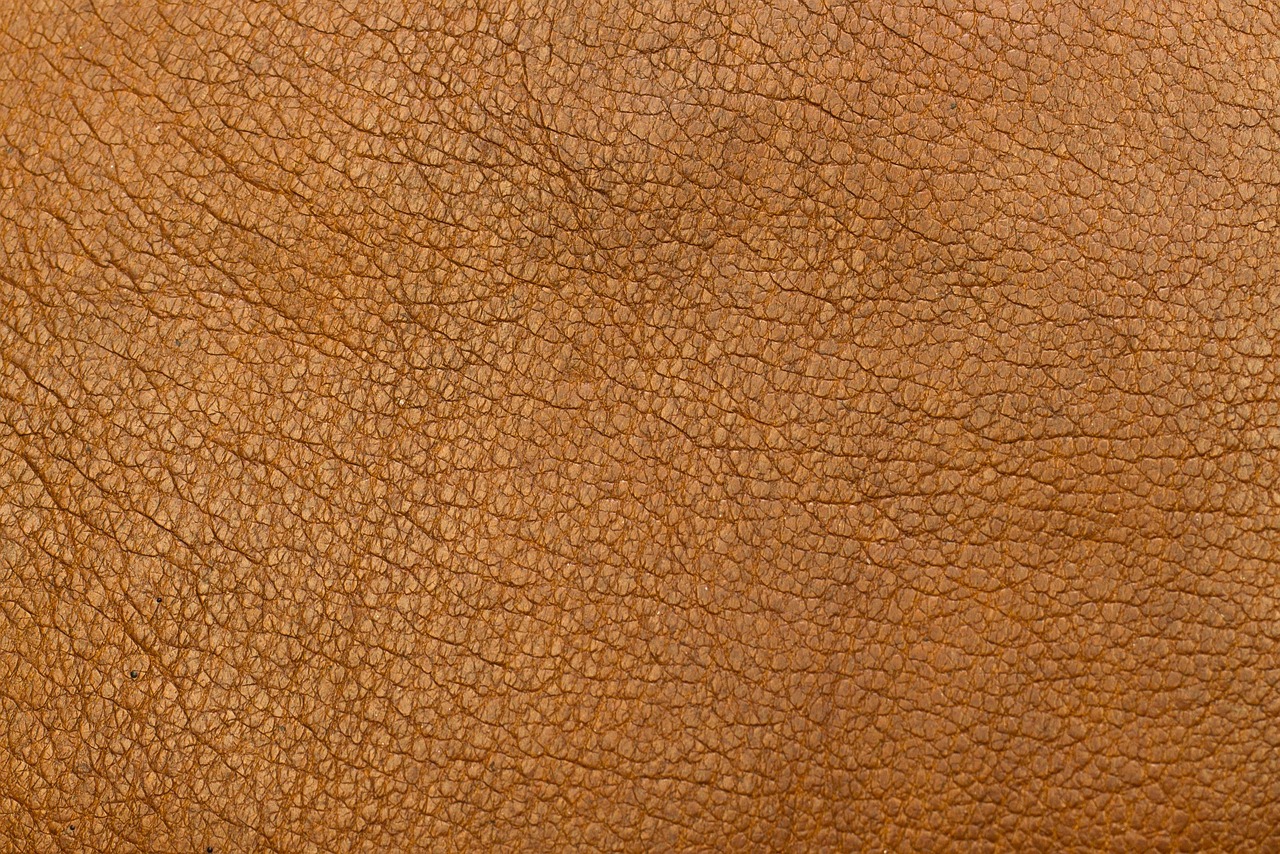
A Shift in Style: From Glossy to Grounded
Home design in 2026 is embracing texture as the new language of luxury. The once popular high gloss finishes and stark minimalist palettes are giving way to warmer, more tactile elements. Instead of sterile surfaces, homeowners are gravitating toward inviting spaces that reflect personal style and comfort.
Moving away from flat, polished aesthetics
Emphasis on visual warmth and sensory appeal
Earth inspired palettes and organic textures taking center stage
Natural Materials Make a Statement
Material selection is more intentional than ever. In demand choices show an appreciation for natural variation and craftsmanship:
Natural stone finishes for countertops, walls, and flooring add timeless elegance
Fluted wood paneling brings warmth, pattern, and depth to interiors
Raw concrete offers an industrial edge while staying grounded in simplicity
These surface treatments aren’t just trendy they’re durable, design forward, and highly personalized.
Artisanal Craftsmanship Returns
Homeowners are seeking finishes that speak to individuality and enduring quality. This has led to a resurgence of artisan touches:
Hand applied plaster and limewash for textured walls
Custom millwork and paneling made from locally sourced woods
Bespoke hardware, tilework, and built ins that add character and dimension
In 2026, textures aren’t just surface details they’re storytelling tools that bring a sense of history, craftsmanship, and meaning into modern homes.
Multi Use Spaces Reign Supreme
In 2026, flexibility isn’t just a design bonus it’s a requirement. As lifestyles continue to shift toward remote work, multigenerational households, and hybrid living, homeowners are demanding spaces that serve more than one purpose without compromising on style or functionality.
Design Elements That Adapt and Evolve
Today’s renovations prioritize convertible and reconfigurable layouts that adjust to changing needs. Homeowners want rooms to evolve with them, not become obsolete.
Convertible Guest Rooms: Spare bedrooms moonlight as home gyms, creative studios, or offices with the help of Murphy beds, collapsible desks, and built in storage.
Retractable Walls: Floor plans become fluid with retractable partitions that offer privacy on demand without sacrificing open concept appeal.
Hidden Storage Solutions: Modular cabinetry and multipurpose shelving help keep clutter concealed in shared use areas.
Dual Purpose Furniture Leads the Way
Furniture is playing a critical role in supporting flexible living. Instead of serving a single function, modern pieces adapt to multiple roles throughout the day.
Dining tables transforming into workstations
Sofas splitting into twin beds
Benches with hidden compartments for storage
These solutions not only save space but enhance how rooms are used from morning to night.
Builder Designer Collaboration Early On
To meet the increasing demand for flexibility, builders are working more closely with interior designers from the beginning of a project.
Collaborative Planning: Early input ensures the layout supports both structural needs and lifestyle demands.
Customized Features: Space saving built ins and thoughtful zoning are being incorporated from the ground up.
Future Proofing: Anticipating how spaces might evolve with a homeowner’s life stage avoids future costly remodels.
Multifunctional design is no longer a trend it’s the new standard. Homes in 2026 reflect the way people truly live: dynamic, layered, and responsive.
Data Driven Design Is Changing the Game
Renovation isn’t guesswork anymore. Today’s planning starts with streams of live data that shape room layouts, material choices, and even air flow decisions before a hammer is lifted. Homeowners and pros alike are tapping into real time usage stats from appliance habits to light and temperature preferences to inform smarter, more personalized designs.
Sensor based design takes it a step further. Motion tracking, humidity sensors, and energy monitors feed into systems that adapt to the way people actually live not just how they think they do. Doors that anticipate foot traffic, lights that shift throughout the day, HVAC zones that optimize comfort without wasting watts it’s all part of a renovation that evolves with its occupants.
Then there’s digital twins: full scale, virtual versions of a home that simulate structural choices and performance. These tools are taking the risk out of remodeling. Before anyone drills into drywall, you can walk through a space, test how it handles heat, or figure out if that skylight will cause glare at 3PM.
It’s not just smart. It’s strategic. And it’s the new baseline for renovations that last.
Final Take: Renovating with Purpose in 2026
In 2026, the home renovation landscape is defined less by surface level trends and more by long term impact. Modern homeowners are approaching renovations with a sharper focus on purpose, embracing designs that balance smart functionality with environmental responsibility.
What Matters Most in 2026:
Function over Flash: Trending finishes come and go, but well planned layouts that meet real living needs continue to gain value.
Built in Flexibility: Homes are being reimagined for adaptability with rooms that can evolve as families grow or lifestyles shift.
Technology with Purpose: From integrated automation to energy smart systems, future ready technology isn’t an extra it’s part of the plan.
Homeowners Are Shifting Priorities
Today’s renovation clients aren’t just after visual appeal. They’re investing in performance, longevity, and designs tailored to their evolving needs.
Smarter Layouts: Floorplans are becoming more intentional, with multifunctionality and user flow top of mind.
Sustainable Choices: Eco friendly materials, energy efficient systems, and waste conscious construction methods are no longer niche they’re expected.
Value That Lasts: There’s a clear move away from short term visual “wow” toward choices that add real, long term value in both function and resale potential.
The Big Picture
Home renovation in 2026 is about preparing homes not just for how we live now, but for what comes next. Upgrades are being made with the future in mind, making today’s design choices smarter, more sustainable, and truly livable.
 Ask Zayric Zorvane how they got into creative inspirations and you'll probably get a longer answer than you expected. The short version: Zayric started doing it, got genuinely hooked, and at some point realized they had accumulated enough hard-won knowledge that it would be a waste not to share it. So they started writing.
What makes Zayric worth reading is that they skips the obvious stuff. Nobody needs another surface-level take on Creative Inspirations, Home Improvement Trends, Gardening Essentials. What readers actually want is the nuance — the part that only becomes clear after you've made a few mistakes and figured out why. That's the territory Zayric operates in. The writing is direct, occasionally blunt, and always built around what's actually true rather than what sounds good in an article. They has little patience for filler, which means they's pieces tend to be denser with real information than the average post on the same subject.
Zayric doesn't write to impress anyone. They writes because they has things to say that they genuinely thinks people should hear. That motivation — basic as it sounds — produces something noticeably different from content written for clicks or word count. Readers pick up on it. The comments on Zayric's work tend to reflect that.
Ask Zayric Zorvane how they got into creative inspirations and you'll probably get a longer answer than you expected. The short version: Zayric started doing it, got genuinely hooked, and at some point realized they had accumulated enough hard-won knowledge that it would be a waste not to share it. So they started writing.
What makes Zayric worth reading is that they skips the obvious stuff. Nobody needs another surface-level take on Creative Inspirations, Home Improvement Trends, Gardening Essentials. What readers actually want is the nuance — the part that only becomes clear after you've made a few mistakes and figured out why. That's the territory Zayric operates in. The writing is direct, occasionally blunt, and always built around what's actually true rather than what sounds good in an article. They has little patience for filler, which means they's pieces tend to be denser with real information than the average post on the same subject.
Zayric doesn't write to impress anyone. They writes because they has things to say that they genuinely thinks people should hear. That motivation — basic as it sounds — produces something noticeably different from content written for clicks or word count. Readers pick up on it. The comments on Zayric's work tend to reflect that.