
Why Sustainable Cleaning Matters
Most people reach for the heavy duty stuff because it promises fast results. Bleach, ammonia, synthetic fragrances they scrub the surface clean, no question. But underneath, these products often trade off long term well being for short term sparkle. They wear down fixtures, irritate skin and lungs, and pollute both indoor air and waterways. You might not notice it today, or even this year, but the consequences stack up.
Switching to a more sustainable routine isn’t just about saving the planet it’s about protecting your immediate space. Daily choices, from the sprays you use to how often you clean, shape the environment you breathe in. If that environment is constantly loaded with toxins or disposable paper waste, your home isn’t as safe or sustainable as it looks.
Then there’s the money side. Swapping single use for refillable, and mixing your own basics like vinegar based cleaners, leads to real savings over time. A bottle you reuse for 18 months, or a $2 box of baking soda that knocks out odors for weeks that’s value most people overlook.
Sustainability, when done in small, steady steps, isn’t more expensive or time consuming. It’s smarter. Build habits once, reap cleaner air, fewer health risks, and a lighter utility bill for years.
Start With A Realistic Game Plan
Trying to deep clean your entire house in one weekend? That’s a fast track to burnout. The better way is to break the load into zones: what needs attention daily, weekly, and monthly. Daily might mean wiping down counters, quick sweeps, and resetting key areas (think kitchen and entryway). Weekly is when you dig a bit deeper bathrooms, vacuuming under furniture, changing sheets. And monthly? That’s your time for windows, filters, and the stuff nobody sees but still matters.
This kind of routine isn’t about perfection. It’s maintenance. It keeps your home running without turning you into someone who’s always busy but somehow behind. The goal is habit momentum small actions done regularly that add up to a cleaner space and a clearer mind.
Start with what feels doable. If five minutes a day is all you’ve got, start there. The point is consistency, not intensity. Build up over time, not all at once.
Choose Smarter Cleaning Products
Not all cleaning products are created equal and some come with more baggage than benefits. Ingredients like ammonia, chlorine bleach, synthetic fragrances, and phthalates are common but problematic. They can aggravate asthma, irritate skin, and pollute indoor air. Some stick around in waterways long after they go down the drain. If it smells like a chemical storm, chances are it’s doing more harm than good.
The fix isn’t fancy. Swapping in basics like distilled white vinegar, baking soda, and castile soap gives you cleaning power without the side effects. Vinegar cuts grease and tackles bathroom grime. Baking soda scrubs like a champ and deodorizes at the same time. Castile soap especially when diluted right lifts dirt off most surfaces without leaving residue. These ingredients are simple, cheap, and multi use, reducing the number of bottles crowding your cabinet.
Reusable tools take it a step further. Instead of paper towels or disposable wipes, microfiber cloths, cellulose sponges, and cotton rags last longer, clean better, and avoid landfill build up. Refillable spray bottles and concentrate based cleaners help slash plastic waste. It’s not about going zero waste overnight it’s about building systems that make less trash the default, not the exception.
Every small switch adds up. The more intentional you get, the simpler it becomes.
Reduce Waste While You Scrub
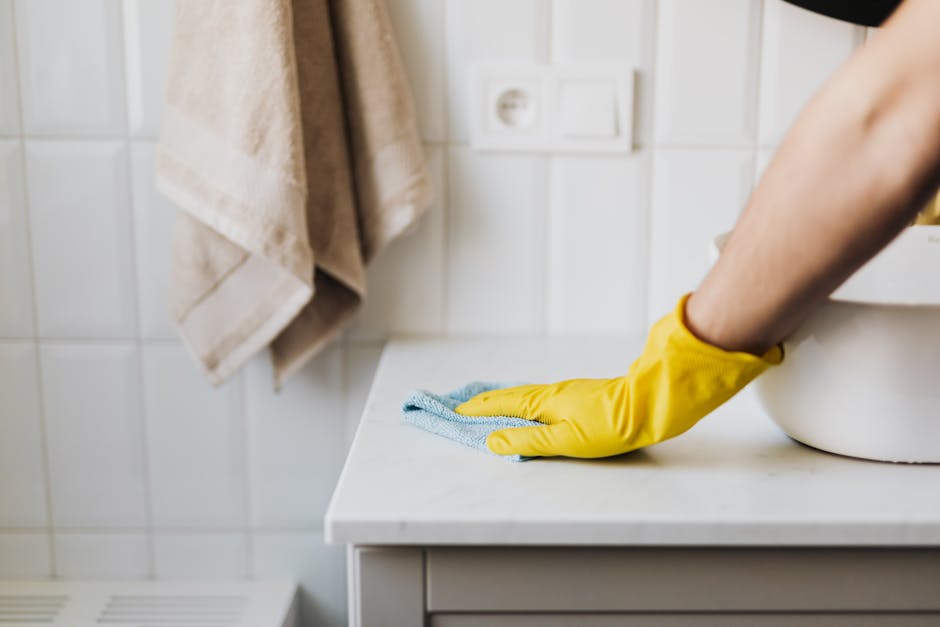
Let’s be plain about it: single use wipes and disposable paper towels are wasteful. They might seem convenient, but they’re sinking your budget and swelling your trash bin faster than you realize. The better move is making the switch to microfiber cloths, washable rags, and old T shirts that live for multiple rounds of cleaning. They get the job done, and they don’t end up in a landfill after one swipe.
Before you buy anything new, take a moment: can you refill, repurpose, or reuse what you already have? That all purpose spray bottle? Don’t toss it refill it with a DIY solution. That empty glass jar? Turn it into a baking soda shaker. You’re not only reducing waste, you’re dodging the trap of constantly buying more stuff in the name of “clean.”
Bulk buying also plays a quiet but powerful role. Picking up vinegar, baking soda, or castile soap in larger quantities means fewer containers and less packaging overall. Combine that with some simple DIY recipes, and you’ve got a cleaning setup that’s lean, low waste, and still gets real results.
This isn’t about being perfect it’s about being better with the effort you’re already putting in.
Make It Seasonal and Strategic
Cleaning isn’t just about what you do it’s also about when you do it. Timing matters, especially during high dust, low ventilation months. Winter is a key example. When windows stay shut and airflow drops, dust, allergens, and moisture build up faster. That can lead to mold, stale air, and a surprising layer of grime in places you usually ignore.
This is the season to switch things up. Focus more on soft surfaces curtains, rugs, blankets that trap dust. Be diligent with your vents and air filters. Pay attention to entryways where salt, mud, and moisture collect. Even upping your vacuum frequency by one or two sessions a week can make a noticeable difference.
Cold weather cleaning is also about protecting the indoor air you’re breathing constantly. Target low effort, high impact jobs like wiping baseboards, damp dusting surfaces, and keeping bathroom fans clean and running.
For more ideas tailored to the colder months, check out these winter cleaning tips. Small adjustments now make seasonal routines smoother and help keep your home fresh when it matters most.
Keep It Consistent, Not Perfect
Here’s the truth: your cleaning routine doesn’t need to look like a Pinterest board to work. Perfection is a trap. What actually works is showing up, staying flexible, and letting go of guilt when routines don’t go according to plan. You’re not failing if you skip a day you’re human.
A little structure helps. Use checklists or set reminders on your phone so tasks don’t pile up in the background. If you’re into apps, there are plenty focused on eco conscious cleaning that keep you on track without the mental load.
Weekly resets are the quiet engine here. Pick one day Sunday morning, Thursday night, whenever and tidy your space just enough to breathe easier. Wipe counters, gather stray socks, refill your spray bottles. Keeps the chaos at bay without eating your weekend. No gold stars, just solid habits.
Stay Motivated and Informed
Sustainable cleaning isn’t a one and done job. It’s built on small habits, seasonal adjustments, and a space that makes you want to keep things steady. First step? Make your environment work for you. A tidy corner with calm lighting, a no clutter cleaning caddy, or even music while you mop these aren’t just nice to haves. They help you stay consistent without it feeling like a chore.
Next, find your inspiration. Follow people who are walking the slow, simple, sustainable path. Minimalists, eco organizers, and those living low waste lifestyles often share practical, real world tips that actually adapt to different homes and schedules.
One more pro move: treat your cleaning routine like a living system. It should evolve. What worked in spring might flop in fall. Revisit your rhythm every season tighten up what’s not working, lighten up what feels too rigid.
And when the cold rolls back around, don’t forget to check out these winter cleaning tips. A few simple tweaks can keep your space fresh without fighting the season.
 Ask Emilyn Carrollister how they got into diy projects and ideas and you'll probably get a longer answer than you expected. The short version: Emilyn started doing it, got genuinely hooked, and at some point realized they had accumulated enough hard-won knowledge that it would be a waste not to share it. So they started writing.