
Why Energy Efficiency Is Non Negotiable Now
Let’s be blunt energy prices aren’t giving anyone a break. Whether you’re heating your home in winter or just keeping groceries cold, the cost of power keeps creeping up. Switching to energy efficient appliances isn’t about being trendy. It’s about survival financial and otherwise. The old second hand fridge in the garage? It’s bleeding cash.
Environmental talk sometimes gets lost in jargon, but the benefits are real. Efficient appliances use less power, which means lower carbon emissions, and that’s measurable impact. It’s not about saving the planet in one go it’s about cutting waste where it counts, house by house.
Then there’s the long game. That Energy Star rated washer might cost more up front, but give it five years. You’ll see the savings stack up: lower utility bills, fewer repairs, longer lifespan. Efficiency pays for itself and then some.
Waiting doesn’t make the math better. The smartest time to upgrade? Before your current appliance dies. Get ahead of it now and your wallet and the planet will thank you later.
Smart Refrigerators That Actually Work for You
Not all fridges are built the same and in 2024, the smarter choice is also the leaner one. Energy Star certified refrigerators are no longer a splurge; they’re a money saving essential. These models use at least 15% less energy than standard ones, which adds up when the fridge is cycling 24/7.
What should you actually be looking for? Start with inverter compressors. They adjust cooling power based on usage, which means less waste and quieter performance. Door alarms? Surprisingly useful. They keep cold air in and energy bills down. Humidity control is another underrated feature it helps your food last longer, so you throw out less and spend less.
Swapping in a high efficiency fridge might not seem glamorous, but the math doesn’t lie. For most households, an upgrade can shave $30 $60 a year off the power bill. Over 10 years, that’s a serious return plus the added food savings, reliability, and resale value. Bottom line: the right fridge pays for itself.
Washing Machines That Use Less and Do More
Modern washing machines have come a long way from the bulky, water hungry models of the past. With technology now focused on sustainability and performance, homeowners can save on both utilities and environmental impact.
Front Load vs. Top Load: Which is More Efficient?
When it comes to washing machine design, efficiency isn’t just about looks it’s about long term utility savings.
Front load washers typically use about 40% less water and 30% less energy than most traditional top load models.
Top load washers with high efficiency (HE) features can close the gap somewhat, but still fall short in many comparisons.
Front loaders also spin faster, reducing drying time and saving energy downstream.
Bottom line: If water and energy savings are your top priority, a front loader is a clear winner.
Cold Water, High Performance
Think cold water washing means sacrificing clean clothes? Not anymore.
Most modern detergents are formulated to dissolve in cold water.
Cold cycles protect fabric quality while reducing energy used to heat water.
Some machines feature “cold boost” settings that enhance performance without cranking up the temperature.
By defaulting to cold water, you not only lower your electricity bill you extend the life of your clothes.
Smarter Sensors for Smarter Washing
Sensor technology has transformed how washers manage each load.
Automatic load sensing adjusts water levels to match how full the drum is.
Soil sensors can adapt cycle intensity and length based on how dirty the laundry is.
Eco modes combine multiple sensors to fine tune temperature, water, and timing for peak efficiency.
These features aren’t just clever they’re crucial for reducing waste and making every wash count.
Dishwashers That Slash Utility Waste
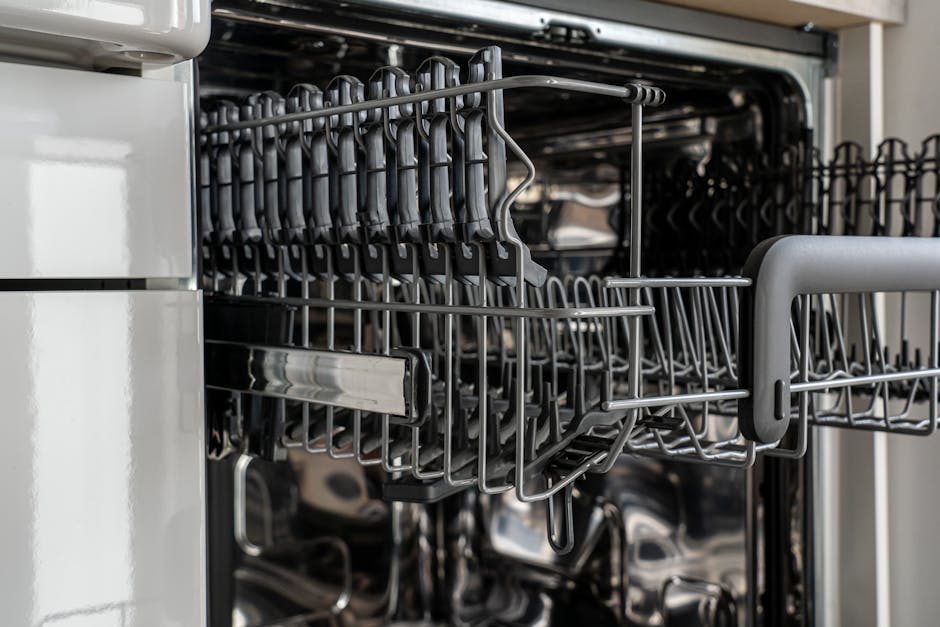
Not all dishwashers are created equal and in 2024, efficiency means more than an Energy Star sticker. Internal water heaters are the quiet heroes here. Instead of relying on your home’s central water heater (which can burn energy getting hot water to the machine), these dishwashers heat water inside the unit itself. It’s faster, less wasteful, and helps the machine reach ideal cleaning temps with fewer resources.
Eco cycles and half load settings also pull their weight. These functions let you run smaller washes without guilt, cutting down water and energy use without sacrificing cleanliness. They also run much quieter a bonus for open concept homes and late night loads.
So, what qualifies as a truly efficient dishwasher in 2024? Look for machines with a high Integrated Water Factor (IWF), soil sensors that adjust cycle intensity, and smart start delays that run during off peak hours. You’re not just shopping for clean plates you’re investing in cleaner bills and a smarter footprint.
HVAC Systems That Don’t Burn Your Budget
Old school HVAC systems run on brute force blast hot or cold air through the whole home whether you need it or not. Heat pumps, on the other hand, are built for efficiency. They move heat instead of generating it, which means lower energy use year round. In most climates, a modern heat pump can cut utility bills by 30 40%. And they’re not just for warm areas anymore cold climate models are gaining ground.
Pair that with zoning and smart thermostats, and you’re no longer trapped in a one temperature fits all system. Zoned HVAC lets you heat or cool specific rooms based on use. Smart thermostats learn your habits, dial things back when you’re out, and can be adjusted from your phone. The result? More comfort, less waste.
Upgrading your HVAC system isn’t just about getting newer gear. It rewires how your home handles climate control. Air quality improves. Monthly bills shrink. And resale value climbs. It’s a spend once, save for years move no fluff, just smarter living.
Induction Cooktops Over Gas
Induction cooktops are quickly becoming the smarter option and not just for hardcore foodies. They’re fast, precise, and run cooler, which makes your kitchen more comfortable to work in, especially in warmer months. Unlike gas flames or electric coils, induction directly heats your cookware using magnetic fields. No open flame, no red hot coils. Just efficient energy transfer that reacts in real time.
When it comes to energy conversion rates, induction leads the pack. Roughly 85 90% of the energy goes directly into cooking. Compare that to about 70% for electric coils and a waste heavy 30 40% for gas. That translates into shorter cook times, less excess heat, and lower bills.
Induction also wins on the safety front. No risk of gas leaks, no open flames, and surfaces cool down quickly after use. Bonus because there’s minimal heat loss and fewer emissions, you’ll save on ventilation costs too. Less hot air to pump out means less work for your HVAC and fewer upgrades needed for range hoods. Smart, simple, effective.
Where to Start if You’re New to This
If you’re just getting into the world of energy efficient appliances, don’t try to tackle everything at once. Start with the machines you use every day fridge, washer, HVAC. These burn through the most energy and offer the biggest payback when upgraded. Invest smart by channeling your budget toward where it moves the needle.
Not sure what should come first? Use this home appliances guide as your baseline. It cuts the fluff and lays out what matters based on usage, utility impact, and lifespan. Prioritizing with a plan helps avoid buyer’s remorse and overspending on gear you hardly use.
Also, don’t leave money on the table. Many local governments and utility companies offer rebates for energy smart choices. A quick search or even using the guide linked above can lead you to programs that reduce your costs right out of the gate. When you save on both upfront cost and long term bills, that’s a win from day one.
Making the Upgrade Worth It
Start with what’s proven. Appliances with certifications like Energy Star and CEE Tier aren’t just for show they meet strict standards for efficiency and long term performance. Energy Star is the baseline. CEE Tier rankings go further, showing what’s best in class. These labels help you cut through marketing fluff and make choices that do more than just save a few bucks.
Next, shop smart. Big box stores and appliance retailers run deep seasonal sales Black Friday, Memorial Day, and end of model year clearances. Plan your upgrades around those windows instead of panic buying after something breaks. Bundle purchases when possible; many retailers offer solid discounts when you buy multiple appliances.
Need help prioritizing what to upgrade and when? Use this home appliances guide as your home base. It breaks down where the payoffs actually are, so you’re not throwing money at the wrong machines. In short: verified ratings, smart timing, and a solid plan will stretch your dollar and your energy savings much further.
 Ask Emilyn Carrollister how they got into diy projects and ideas and you'll probably get a longer answer than you expected. The short version: Emilyn started doing it, got genuinely hooked, and at some point realized they had accumulated enough hard-won knowledge that it would be a waste not to share it. So they started writing.