
You’re standing in front of that bathroom tile from 1987.
Or staring at the draft slipping under your front door like it’s personal.
And you’re thinking: Where do I even start?
Not with another glossy magazine spread. Not with a contractor who quotes $27,000 and vanishes. Not with a YouTube video that assumes you own a laser level and speak fluent drywall.
I’ve been there. Done that. And then done it again.
On thirty-two different homes.
This isn’t theory. It’s what worked when the budget was tight, the skills were basic, and the timeline was real.
Every tip here has been tested. On actual walls. In actual basements.
With actual screwdrivers (not just stock photos).
Some things got ripped out. Some got patched. Some got painted twice.
But nothing got skipped because it “wasn’t sexy enough” for social media.
House Renovation Guide Heartomenal is built on that mess. Not perfection. Clarity instead.
You’ll get steps in order. Not alphabetically. Priorities, not possibilities.
No fluff. No jargon. No pretending you have unlimited time or cash.
Just what to do first. Then second. Then third.
So you stop staring at the problem (and) start fixing it.
Safety First: Then Efficiency. Then Maybe Paint.
I messed this up on my first house.
Thought new light fixtures would fix the flickering. Nope. The wiring was fried.
Took three electricians to sort it out.
Safety → Efficiency → Aesthetics isn’t a slogan. It’s triage.
If your walls sweat, your floor sags, or your breaker trips every time you run the microwave. Stop. Do not buy throw pillows.
Do not stain the deck.
You’re not renovating. You’re patching a leak in a sinking boat.
Here’s what I do now:
If I smell mustiness and see peeling paint downstairs → moisture inspection within 48 hours. Not next week. Not after vacation.
If the roof leaks when it rains → tarp it today, then call a roofer tomorrow. Not “after I pick out shingle colors.”
Curb appeal upgrades? Cute. But only after the foundation isn’t cracking and the HVAC doesn’t sound like a dying goose.
People always ask: “Where do I start?”
The Heartomenal system says: start where failure hurts most.
Leaky faucet? Annoying. Leaky gas line?
Deadly. Prioritize like your life depends on it (it might).
I once repainted a bathroom while ignoring a slow drip behind the tile. Six months later: mold, rot, and $4,200 in remediation.
Efficiency comes second. Fix drafts. Seal ducts.
Upgrade insulation before buying smart thermostats.
Aesthetics? Last. Always.
Paint can wait. Electricity can’t.
Water can’t.
Structural integrity definitely can’t.
That’s why the House Renovation Guide Heartomenal starts with a flashlight and a moisture meter (not) a mood board.
Budget-Smart Upgrades That Actually Raise Home Value
I replaced my HVAC filter last week. Then I paid for a full tune-up. Cost me $120.
My energy bill dropped 18% the next month. That’s real.
I covered this topic over in Home Tips and Tricks Heartomenal.
HVAC tune-up: $90 ($150.) Adds ~3% to resale value. Most buyers assume it’s broken unless you prove it’s not.
LED lighting retrofit: $200. $600. Adds ~2%. You’ll see the return in under two years.
And yes (it) counts toward the 2024 federal tax credit (up to $1,200/year).
Sealing insulation gaps: $300 ($900.) Adds ~4%. This one’s boring. But it’s the quietest money you’ll ever make.
Paint the front door. Trim. Front porch. $250. $500.
Adds ~2%. Buyers judge your house before they open the door. Don’t make them squint.
Now the stuff that looks good but doesn’t pay:
Luxury backsplash with outdated cabinets? Waste. Oversized deck on a 40-foot lot?
Looks awkward. Sells slower. Smart toilet with no smart wiring?
Just expensive plumbing.
Payback Calculator Prompt: Divide project cost by annual energy savings (if) >7 years, reconsider.
Some upgrades qualify for rebates right now. Check your utility’s website. Not all do.
Some require contractor certification. Don’t assume.
The House Renovation Guide Heartomenal skips the fluff and names exact rebate programs by state. If you’re in Ohio or Maine, it tells you which forms to print.
I’ve watched three neighbors install $12k decks. None broke even. One sold for less than asking.
Fix what works first. Then polish. Always.
DIY vs. Pro: Wrench or License?
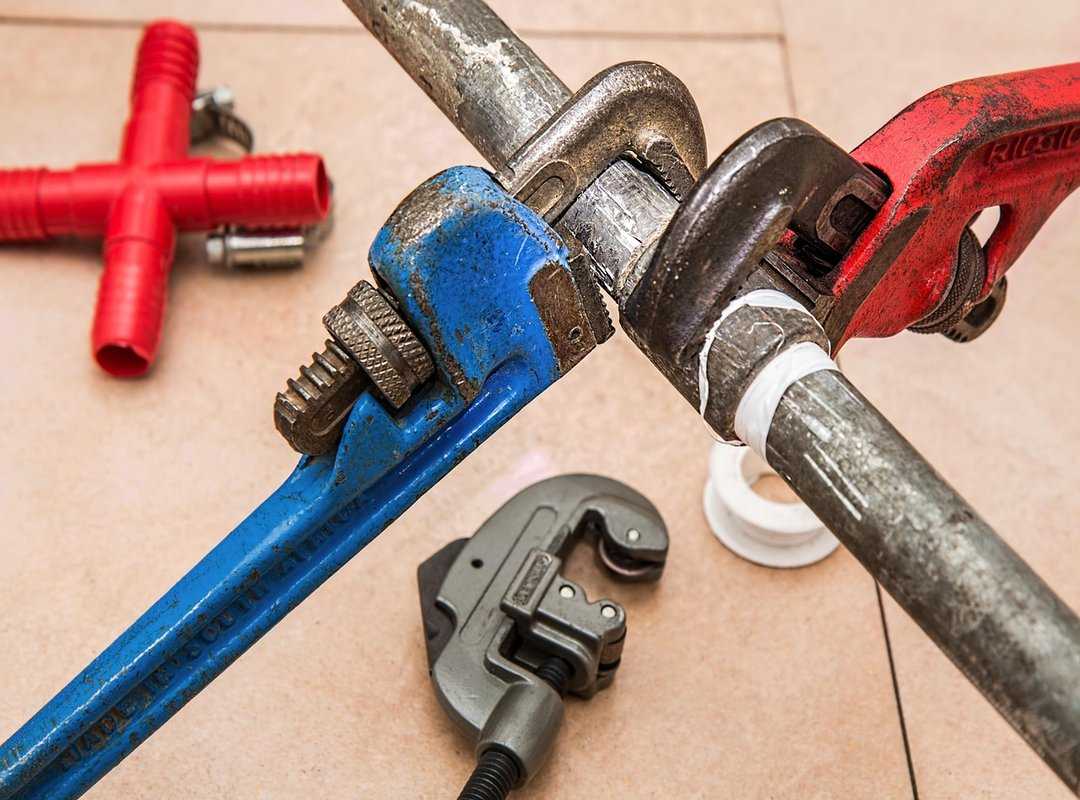
I’ve replaced a faucet, patched drywall, and even tiled a shower floor. But I once watched a neighbor try to move a gas line with a pipe wrench. He didn’t call a pro.
He called 911.
Electrical work beyond swapping an outlet? Licensed electrician required. Gas line adjustments? Same.
Load-bearing wall changes? Absolutely not DIY.
Here’s what is safe to tackle:
Replacing a bathroom faucet: 90 minutes, $45 parts, basic wrench skills. Installing a ceiling fan (no new wiring): 2 hours, $80, ladder + wire nuts. Painting interior walls: half a weekend, $60 paint, roller + tape.
Building a raised garden bed: 3 hours, $120 lumber, drill + level.
If you’re unsure whether your project crosses the line, check your local permit office. Most cities require permits for rewiring, plumbing reroutes, and any structural change. No permit?
No insurance payout if something goes sideways.
Vetting contractors isn’t hard. Just ask for proof of insurance and three local references with photos of past work. Red flag: no written estimate.
Bigger red flag: pressure to pay upfront. Green flag: they ask you questions about your home’s age and layout.
I keep a running list of trusted tradespeople.
You should too.
For more realistic, non-Instagrammy advice, check out the Home tips and tricks heartomenal page.
It’s got the kind of stuff you’d tell a friend over coffee (not) a sales pitch.
The House Renovation Guide Heartomenal doesn’t sugarcoat it. Neither do I. Call a pro when the risk outweighs the pride.
Floor Failures, Paint Blunders, and Other Renovation Regrets
I skipped moisture testing once. My hardwood buckled in six months. Mold grew under the subfloor.
The warranty? Void.
You think paint is paint. It’s not. Interior paint on exterior walls blisters in three months.
UV light eats it alive. I watched a client’s front door peel like sunburnt skin.
Ventilation matters more than you think. Stuff insulation into an attic without airflow, and condensation builds up. Rot follows.
Fast.
Mismatched finishes scream “I didn’t plan this.” Brushed nickel faucets next to oil-rubbed bronze lights? Your eyes twitch. Stick to one metal family.
Or go all black. Don’t half-step.
Standard windows in humid coastal zones? They sweat. Condense.
Fail. Local climate specs exist for a reason. Ignore them and you’ll replace glass sooner than expected.
This isn’t theory. I’ve fixed every one of these. Twice.
The House Renovation Guide Heartomenal helped me spot the ventilation trap before I sealed my own attic shut.
If you want real-world fixes (not) just pretty pictures (check) out the Heartomenal Home Hacks by Homehearted page.
Start Your First Project This Weekend
I’ve given you the steps. Not theory. Not fluff.
Real moves for real homes.
You don’t need to overhaul everything. You just need to pick House Renovation Guide Heartomenal and apply the 3-Point Priority System to one room. Right now.
That’s your highest-use move. Not next month. Not after “more research”.
Most people stall because they wait for perfect timing. Or perfect plans. Neither exists.
So what’s stopping you from choosing one thing this weekend?
Download or screenshot the free Home Improvement Readiness Checklist. It’s got the exact questions to cut through doubt.
No guesswork. No overwhelm. Just clarity.
Your home isn’t waiting for perfection (it’s) ready for progress.
 Ask Emilyn Carrollister how they got into diy projects and ideas and you'll probably get a longer answer than you expected. The short version: Emilyn started doing it, got genuinely hooked, and at some point realized they had accumulated enough hard-won knowledge that it would be a waste not to share it. So they started writing.