
I’ve picked wrong house plans before. It cost me time. Money.
Stress.
You’re staring at floor plans right now, aren’t you?
Trying to figure out which one actually works. Not just looks good on paper.
This isn’t about picking a style or ticking boxes. It’s about how you live. How you cook.
Where you argue with your partner over laundry. Where your kid drops their shoes.
How to Decide on House Plans Drhinteriorly means cutting through the noise. No fluff. No jargon.
Just real choices backed by real mistakes I’ve made.
You’ll learn what to ask your architect before signing anything. What to skip (even if it’s trending). And how to spot red flags in a plan before the foundation is poured.
Some people treat this like shopping for furniture. Big mistake. Your house plan shapes every day for decades.
By the end, you’ll have a clear path (not) a list of options. You’ll know what fits your life, not someone else’s Pinterest board. And you’ll avoid the top three pitfalls that derail half of all custom builds.
Let’s get started.
Start With Your Life (Not) Blueprints
I look at house plans last.
I start with how you actually live.
What’s your morning like? Do you scramble for coffee while kids chase the dog? Or do you sip tea alone before logging into work?
(That one detail changes everything.)
Do you host dinner parties every other weekend? Or eat takeout on the couch watching Netflix? Do you work from home?
Or need quiet space to focus? Do you have a toddler who needs a mudroom? Or a senior parent moving in next year?
These aren’t small questions. They decide how many bathrooms you really need (not) how many look good on paper. They tell you whether you need a home office or just a nook by the window.
They explain why a big kitchen island matters (or) why it’s just wasted square footage.
Make two lists. One: “Must-haves.” Non-negotiables. Like a first-floor bedroom if stairs are hard.
Two: “Wish list.” Things that’d be nice (but) won’t break you if they’re missing.
How to Decide on House Plans Drhinteriorly starts here (not) with floor plans, but with your real life.
Drhinteriorly helps you match space to habit. Not hype.
You don’t need more rooms. You need rooms that fit how you move, breathe, and exist. Right now.
Today. Not some idealized version of yourself.
Budget and Property Decide Everything
I start with money. Not dreams. Not Pinterest boards.
Cash.
Your budget sets hard limits. Not suggestions. Not hopes.
If you ignore this, you’ll get stuck mid-build. Or worse. Quit.
Construction costs swing wildly. A simple 1,200-square-foot box costs less than a 2,800-square-foot home with vaulted ceilings and stone cladding. (Spoiler: that stone isn’t cheap.)
Permits. Finishes. That fancy tile?
You need all numbers upfront. Land. Construction.
It adds up. So does the HVAC system no one talks about until it’s time to pay.
Now look at your lot. Not just size (but) shape. A narrow lot won’t fit your dream ranch plan.
A steep slope? Great for a walk-out basement. Terrible for a slab foundation.
Zoning laws kill plans faster than bad math. Setbacks. Height limits.
Floor-area ratios. They’re not suggestions. They’re rules.
Check them before you fall in love with a floor plan.
How to Decide on House Plans Drhinteriorly means asking: Can this plan actually go here? Does it fit my wallet and my land?
Not every beautiful plan belongs on your property. And not every plan fits your real budget. Not the one you whisper to friends, but the one your bank approves.
Ask your builder early: “What’s the cheapest way to get what I need?”
Then listen. Really listen.
House Plans: What Actually Works
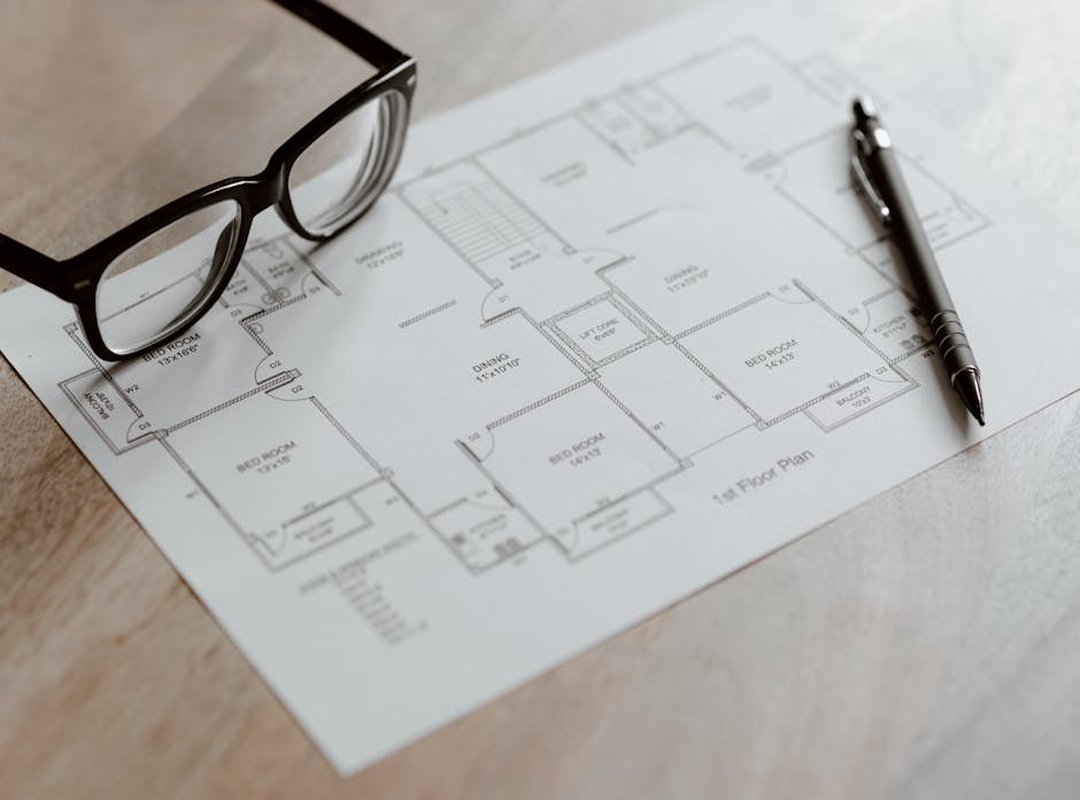
I’ve walked through hundreds of houses. Some felt right the second I stepped inside. Others made me wonder who designed them.
Ranch plans spread out. Two-stories stack up. Modern leans clean and simple.
Farmhouse mixes cozy with practical.
Open-concept layouts let sound and light flow. But they also let noise and mess travel. Defined rooms give quiet and privacy.
They can feel closed off if not planned well.
How do you move from kitchen to living room? Is the hallway a shortcut or a bottleneck? Do bedrooms cluster together.
Or scatter like confetti?
Natural light matters more than square footage. So does storage that doesn’t look like storage. And privacy isn’t just about curtains (it’s) about where doors open and walls stop.
You’ll learn faster by walking floor plans than reading about them. Check online listings. Flip through shelter magazines.
Go to open houses. Even if you’re not buying.
How to Decide on House Plans Drhinteriorly starts with seeing what fits your life (not) a trend. That’s why I recommend talking to someone who’s done it before (like) Drhinteriorly Interior Design by Drhomey. They don’t push styles.
They ask questions. Then they listen.
Think Past Tomorrow
I built my first house thinking only about what I needed right then.
Bad idea.
What happens when your kid needs a room? Or your parents move in? Or you decide to work from home full-time?
You scramble. You hate the layout. You pay for renovations.
Flex rooms fix that. A guest bedroom today becomes a home gym next year. An office turns into a nursery without knocking down walls.
(Just avoid putting plumbing in weird places.)
Universal design isn’t just for older folks. Wider doorways, zero-step entries, and lever handles cost almost nothing upfront. They make life easier now (and) keep buyers interested later.
Resale value isn’t magic. It’s logic. People buy houses that feel easy to live in.
You don’t need to predict the future.
Just leave room for it.
Cluttered kitchens, awkward hallways, and no storage kill offers (even) if the neighborhood is perfect.
That’s part of How to Decide on House Plans Drhinteriorly. Ask yourself: Will this still work in seven years? Or will I be stuck with a floor plan that fights me every day?
If you’re comparing options, check out Who has the best house plans drhinteriorly (not) for flash, but for flexibility.
Your House Plan, Your Call
I’ve been there. Staring at floor plans until my eyes blur. Wondering if I’m picking right (or) just picking fast.
You’re not choosing a blueprint. You’re choosing how you’ll live. How your mornings feel.
Where your kids grow up.
That’s why How to Decide on House Plans Drhinteriorly isn’t about perfection. It’s about alignment. Start with your actual life.
Not what looks good online. Check your budget before falling for vaulted ceilings. Measure your lot.
Walk through styles like you’re already living in them. Think five years out. Ten.
Skip the rush. Skip the guesswork.
You don’t need more options. You need clarity.
So stop scrolling. Open that notebook. Sketch one non-negotiable.
Then call an architect (even) for thirty minutes.
They’ll spot what you missed.
You deserve a home that fits. not one you settle into.
Go pick yours.
 Ask Emilyn Carrollister how they got into diy projects and ideas and you'll probably get a longer answer than you expected. The short version: Emilyn started doing it, got genuinely hooked, and at some point realized they had accumulated enough hard-won knowledge that it would be a waste not to share it. So they started writing.