
Building a home is a big dream.
It’s also the kind of thing that makes you stare at your phone at 2 a.m., wondering where to even start.
I’ve been there.
You want something beautiful and yours. But the process feels like walking into a maze blindfolded.
This guide is not theory.
It’s How to Plan a Home Build Drhinteriorly, step by step, based on what actually works.
A good plan saves money. It saves time. It saves your sanity.
Skip the guesswork. Skip the panic. Skip the contractor who says “we’ll figure it out later” (they won’t).
You’ll know what to do. And when. Before you sign one contract.
No fluff. No jargon. Just clear, real-world moves that keep you in control.
You’ll walk away knowing exactly how to start, what to avoid, and how to protect your budget and vision.
That confidence? It starts here.
Dream Big. Then Get Real.
I sit down with a notebook and ask myself: What does my ideal home feel like? Not just look like. (Warm wood under bare feet.
Sunlight hitting the kitchen counter at 7 a.m. The quiet hum of a well-insulated house.)
You need space for your life. Not someone else’s Pinterest board. How many bedrooms do you actually use?
Do you host Thanksgiving or just microwave leftovers? A home office matters only if you open Zoom calls, not email.
Make two lists. One: must-haves. Running water.
A roof. A bathroom that works. Two: wish list.
Vaulted ceilings. A walk-in pantry. That weirdly specific tile you saw in a café.
Keep them separate. (Wish lists get trimmed. Must-haves don’t.)
How to Plan a Home Build Drhinteriorly starts here (not) with permits, but with honest math. I looked up average per-square-foot costs in my county. Then I called a lender before falling in love with a floor plan.
When planning a home build, it’s essential to consider various aspects, including how to approach the project Drhinteriorly for the best results.
They told me what I could really borrow (not) what I hoped to borrow.
I added 12% to my budget for surprises. Because something always breaks. Or changes.
Or gets lost in shipping.
Contingency isn’t optional. It’s oxygen.
Who You Actually Need on Your Build Team
You cannot build a house alone. I tried to wing it once. It cost me three weeks and two contractors.
You need an architect or designer first. They turn your messy sketch into real walls and windows. Not every designer draws blueprints.
Ask.
Then you need a builder. Not just any contractor with a truck and a license. Someone who shows up when they say they will.
Interior designers? Optional. But if you hate picking tile at 2 a.m., get one early.
Research means calling past clients (not) just scrolling Instagram. Ask for unedited job sites. Not the ones with staged couches.
Interview like you’re hiring a co-pilot.
Watch how they answer “What went wrong last time?”
If they blame the weather, walk away.
Communication matters more than credentials. Do they text back? Do they explain delays.
Or hide them?
Get at least three quotes. Not just dollar amounts (what’s) in the fee. Does it include change orders?
Permits? Dumpster rental?
A good team feels like breathing room.
A bad one feels like holding your breath.
This is all part of How to Plan a Home Build Drhinteriorly. Trust your gut more than their brochure. You’ll live with the results longer than they’ll remember your name.
Land Isn’t Just Dirt (It’s) Your Foundation
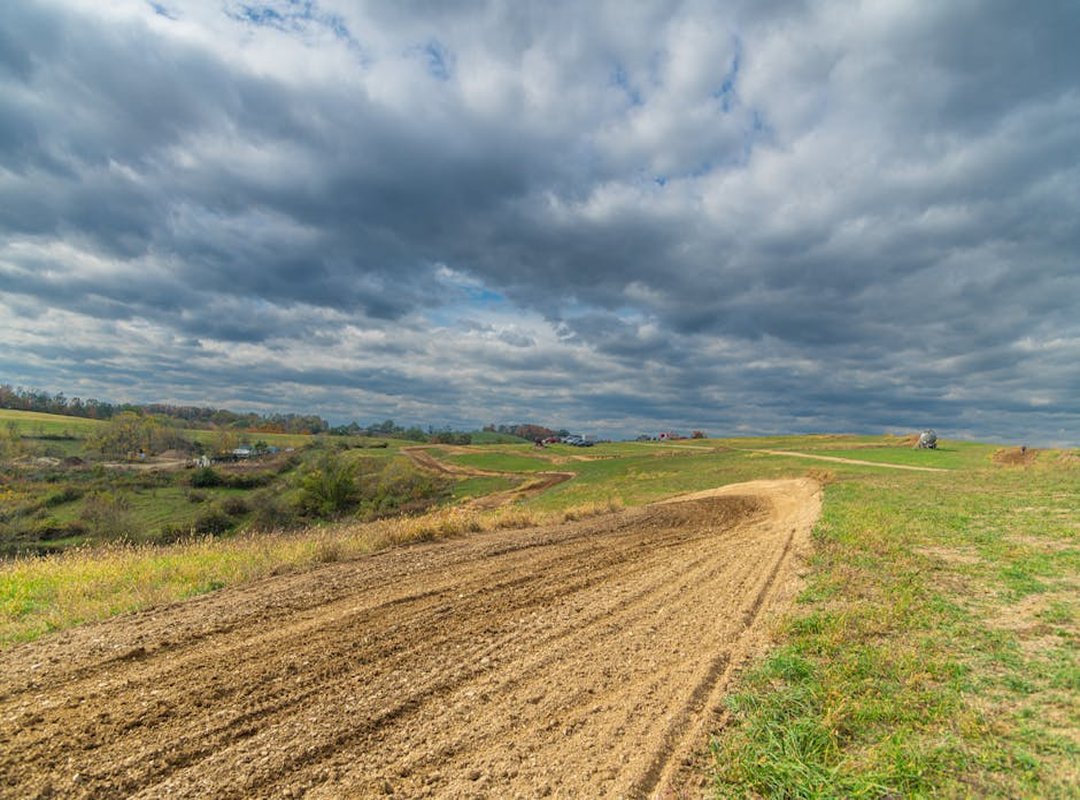
I’ve seen people pick land like it’s a lottery ticket.
They fall in love with a view and ignore the sewage line that stops 300 feet short.
Location matters more than your floor plan. Schools? Commute time?
That quiet street you want might be next to a future highway ramp.
You think neighborhood feel is vague. It’s not. Walk it at 7 a.m. and 7 p.m.
Talk to neighbors. Ask what changed last year.
Zoning laws aren’t paperwork (they’re) permission slips for your dream home. One county says “yes” to a mother-in-law suite. The next says “no” unless it’s under 400 sq ft.
Utilities? Don’t assume. Well water needs testing.
Septic needs perc tests. Electricity lines cost $20k to extend if they’re not on the property line.
Soil tests and surveys aren’t optional extras.
They’re the difference between a stable foundation and cracked walls in year three.
You’ll find real-world guidance on how to plan a home build Drhinteriorly in Drhinteriorly Home Design From Drhomey.
Skip the survey? You’re betting your savings on luck. Would you skip the X-ray before surgery?
No. So don’t skip it here.
Floor Plans Aren’t Magic
I sketch ideas. You hate them. We revise.
That’s how it works.
You think your first floor plan is final. It’s not. (Neither is the second.)
Architects need real feedback. Not “I’ll know it when I see it.” Tell them what feels wrong. Too tight?
No light? Awkward door swing?
Natural light matters more than you think. Especially in winter. Especially in a bathroom.
Flow isn’t just about walking from kitchen to living room. It’s about noise, privacy, and whether your kid can blast music without waking the baby.
Exterior choices. Roofing, windows, doors (lock) in early. Not because they’re fun, but because they affect structure, cost, and timeline.
Vinyl siding won’t match brick. Triple-pane windows need deeper framing.
Interior finishes? Pick flooring before framing ends. Paint colors before drywall goes up.
Cabinets before walls are sealed. Fixtures before electrical rough-ins.
Mood boards help. But don’t drown in Pinterest. One photo of a warm wood floor beats twenty vague “cozy” pins.
Want to skip the guesswork on layout? Start with Which home design is best drhinteriorly.
You’ll second-guess every decision. That’s normal. What’s not normal is waiting until drywall is up to decide on tile.
How to Plan a Home Build Drhinteriorly means showing up with questions. Not just pictures.
Your Build Starts Now
I planned my own home. It was messy. It was worth it.
Planning isn’t paperwork. It’s your guardrail. Define your vision first.
Then build your team. Then pick land that fits your life. Not just the listing photos.
Design comes last, not first.
You don’t need to do it all today. Just one step. Then the next.
That feeling of being overwhelmed? I know it. How to Plan a Home Build Drhinteriorly cuts through the noise. It answers what you’re really asking: Where do I even start?
Grab the guide. Read the first three pages. Do one thing from it before bedtime tonight.
Your custom home isn’t waiting for perfect conditions.
It’s waiting for you to begin.
 Ask Emilyn Carrollister how they got into diy projects and ideas and you'll probably get a longer answer than you expected. The short version: Emilyn started doing it, got genuinely hooked, and at some point realized they had accumulated enough hard-won knowledge that it would be a waste not to share it. So they started writing.