
Start With Smarter Plant Choices
Creating a sustainable, low maintenance yard starts with the right plants. Choosing species that thrive in your local environment means less watering, fewer pests, and a healthier garden with less ongoing effort.
Go Native (and Drought Tolerant)
Native plants are naturally adapted to your region’s climate and bugs, which means:
Less water required, especially after they’re established
Fewer pests, diseases, or maintenance headaches
Increased support for local pollinators and wildlife
If you’re in a dry climate, focus on drought tolerant varieties like lavender, yarrow, or coneflower that add color and require minimal irrigation.
Group Plants by Water Needs
You’ll save both time and water by planting in “hydrozones.”
Place water hungry plants together near a water source
Keep drought tolerant types in areas with less irrigation
Avoid overwatering by tailoring care to each group’s actual needs
Smart grouping equals smarter irrigation and reduces waste.
Why Perennials Beat Annuals
If you’re a busy gardener or one who values efficiency, skip the annuals and go for perennials.
Benefits of perennials:
Come back each year no replanting needed
Grow stronger roots, improving soil and water retention
Require less maintenance and lower costs over time
Adding a few reliable perennials can form the backbone of a sustainable garden that looks good with far less fuss.
Make plant choices with intention, and your yard will repay you with beauty and ease for seasons to come.
Water Less, Water Better
Wasting water isn’t just eco unfriendly it’s inefficient and costs you more in the long run. If you’re still using a sprinkler to water your whole yard, it’s time to pivot. Drip irrigation and soaker hoses cut down on evaporation, get water right to the roots, and save you serious effort. They’re cheap, low maintenance, and easy to set on timers so you can set it and forget it.
Timing matters, too. The sweet spot for watering is early morning before sunrise if you can manage it. That window gives your plants time to absorb what they need without the sun zapping moisture or inviting mildew. Avoid mid day watering (it’s wasteful) and late night drenching (it’s mold friendly).
Reusing rainwater is another smart move. A basic rain barrel with a screen cover does the job. It keeps mosquitoes out and gives you a free, chemical free source of hydration for your plants. Just make sure to check local laws some places have rules about collection. And never use rainwater from roofs treated with chemicals if it’s going on anything edible.
Water more strategically, and your plants and water bill will thank you.
Mulch: The Unsung Hero
Mulch isn’t glamorous, but it does the dirty work choking out weeds and locking in moisture so you water less and weed less. Natural mulches like shredded bark, pine needles, or even chopped leaves don’t just sit there; they slowly break down, feeding the soil as they go. You get fewer weeds, fewer water bills, and healthier plants, all from a thin ground cover.
Just don’t overdo it. Two to three inches is the sweet spot enough to suppress weeds but not so much that water and air can’t reach the roots. More than four inches? You’re smothering, not helping.
As for type, go organic if you’re in it for the long haul. Natural mulches improve soil over time and are better for ecosystems. Synthetic options like rubber or landscape fabric might last longer, but they don’t break down, and sometimes they mess with water flow or leach chemicals. Great for paths or heavily trafficked spots, but not ideal for plant beds.
Bottom line: stick with what feeds your soil, not just what looks nice on top.
Build Healthy Soil That Does the Work
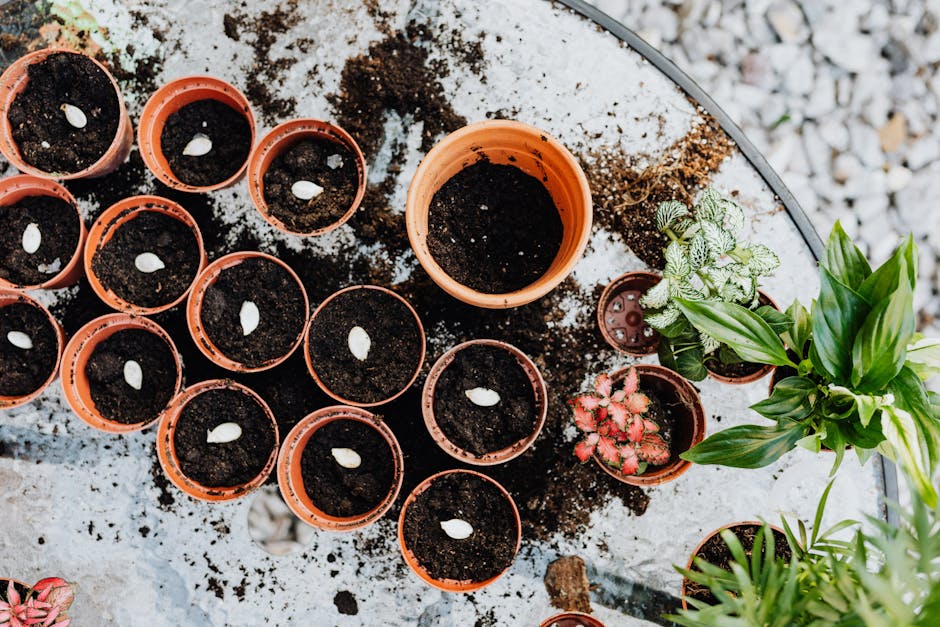
If there’s one place you shouldn’t cut corners, it’s the soil. But that doesn’t mean breaking your back or dumping chemicals. Start with a no dig approach lay compost or mulch right on top of the ground and let the worms and microbes do the mixing over time. Fewer weeds, less erosion, and a better microbial ecosystem. Simpler, smarter, and your plants will thank you.
Composting seems like a chore until you realize it’s basically cooking with scraps you’d throw out anyway. Stick to a clean balance: greens (kitchen scraps, coffee grounds) and browns (leaves, cardboard). Keep it aerated and slightly damp. You don’t need a fancy system just a spot that drains well and stays out of your direct view.
Don’t wing it with fertilizers. Test your soil you can get solid kits online for cheap. This tells you what’s missing, so you’re not overusing anything. From there, improve structure with well aged compost and steer clear of synthetic fixes unless your plants are pleading for help. Good soil isn’t flashy, but it does half the work for you.
Smart Tools & Simple Systems
Low maintenance gardening doesn’t mean skipping tools it means choosing the right ones and using them with purpose. Start by investing in a few well made essentials that won’t fall apart after one season. A solid pair of pruners, a quality hose with good fittings, and a rust proof hand trowel will go a long way. Skip the flashy gadgets. Look for tools that feel good in your hand and last more than a summer.
Next, think in zones. Create clear areas in your yard like a mulched bed that only needs trimming once a month or a corner with drought resistant plants on full autopilot. This approach helps you group tasks and avoid jumping from project to project. One part of the yard may get watered once a week, while another handles itself. Simplicity in layout leads to simplicity in upkeep.
Lastly, set a routine. It’s easier to spend 15 focused minutes twice a week than to scramble when things get out of hand. With zones in place and the right tools by your side, you’ll spend less time reacting and more time relaxing.
Plan Ahead For the Off Season
Late summer and early fall are your golden window. The more you prep now, the less you’re scrambling when the cold hits or when spring blindsides you with weeds and soggy beds. Start by clearing debris, trimming back plants that won’t overwinter well, and giving your tools a once over. Empty hoses, clean gutters, and mulch where it counts. These tasks may be simple, but skipping them means extra work later.
Smart prepping means you’re not reacting to frozen pipes, cracked pots, or dead perennials come spring. It’s not about doing more it’s about doing the right things once so you’re not stuck redoing them later.
Curious what else makes the cut? Don’t miss our full off season prep guide for a practical checklist.
Keep It Natural, Keep It Easy
Lawns are thirsty, needy, and overrated. Swapping out traditional grass for ground cover not only saves time, but also slashes your water bill and chemical footprint. Think creeping thyme, clover, or native grasses that don’t need mowing every weekend. Bonus: they attract fewer pests and handle foot traffic just fine.
Want healthier plants with less hands on maintenance? Bring in the pollinators. Bees, butterflies, and other flying helpers improve yield and plant health. You don’t need a full on wildflower meadow either a few well placed flowering natives will do the job and look good doing it.
Sometimes the best thing you can do is…nothing. Over trimming, over watering, and constant poking around interrupts natural cycles. Let leaves compost in place. Let some wild show through. Gardens bounce back faster when they’re not micromanaged. Your weekend self will thank you.
Yard Goals Without the Stress
A sustainable yard isn’t just good for the planet it’s good for your schedule and your wallet. When you choose plants that thrive in your climate, skip the chemical dependent turf, and lean into natural cycles, you’re setting up a system that largely runs itself. Less watering, fewer replacements, and minimal upkeep mean lower costs and fewer weekends lost to yard chores.
Let your landscape do what it’s meant to do. Native plants know how to take care of themselves. Pollinators show up when you stop over manicuring. Mulch, compost, and smart water placement handle more than you might expect, with way less effort than conventional methods. In short: stop fighting nature, and you’ll spend less time fixing problems.
Want things to look good year round with zero burnout? That’s where planning comes in. Make a few smart seasonal moves and reap the benefits all year no scrambling when the weather turns. For a simple roadmap, check out our full off season prep guide.