
What Biophilic Design Actually Means
Biophilic design isn’t just décor it’s a mindset. At its core, it’s about reconnecting people with nature in the spaces where they live and work. That translates to things like natural light, earthy textures, and organic materials think raw wood, stone, clay, and plant life integrated throughout a room, not just sitting in a pot on a windowsill. It’s spatial psychology with roots in our biology.
Urban dwellers are driving this trend. Cramped apartments, fluorescent lighting, endless screen time more people want their homes to feel alive. And here’s why they should: science backs it up. Studies show environments rich in natural elements can reduce stress, lower heart rates, and boost productivity. Even small touches like sunlight, greenery, or flowing water can shift how we feel and function.
Biophilic design isn’t flashy. It’s quiet, grounding, and exactly what overstimulated spaces and overstimulated people are craving right now.
Why It’s Exploding in 2026
Biophilic design is no longer niche it’s becoming a cornerstone of home improvement in 2026. Several cultural and technological shifts have converged to make this nature centric design philosophy more relevant, accessible, and desirable than ever.
Wellness Is Still the Priority
The wellness wave sparked by the pandemic hasn’t faded it’s matured. Homeowners continue to rethink how their spaces support mental, emotional, and physical health.
Indoor environments are expected to contribute to overall well being
People are seeking restorative, calming interiors with natural elements
The home is now a sanctuary, not just a shelter
Shifting Values: Sustainability Matters
Eco consciousness isn’t just a marketing trend it’s a decision making factor for modern homeowners.
Materials with a low environmental impact are in high demand
Interest is rising in renewable, non toxic options like bamboo, reclaimed wood, and clay
Buyers are choosing green homes that support both the planet and personal health
Technology Is Opening Doors
Innovative building methods and smarter materials are making biophilic upgrades easier and more cost effective.
Prefabricated green wall systems simplify indoor garden installations
Smart skylights and artificial daylight simulators bring natural light into dark or windowless areas
3D printed natural textures and modular plant fixtures give DIY enthusiasts accessibility to design sophistication
Together, these shifts are setting the stage for biophilic design to move from a luxury trend to a mainstream expectation.
Key Features in Biophilic Homes
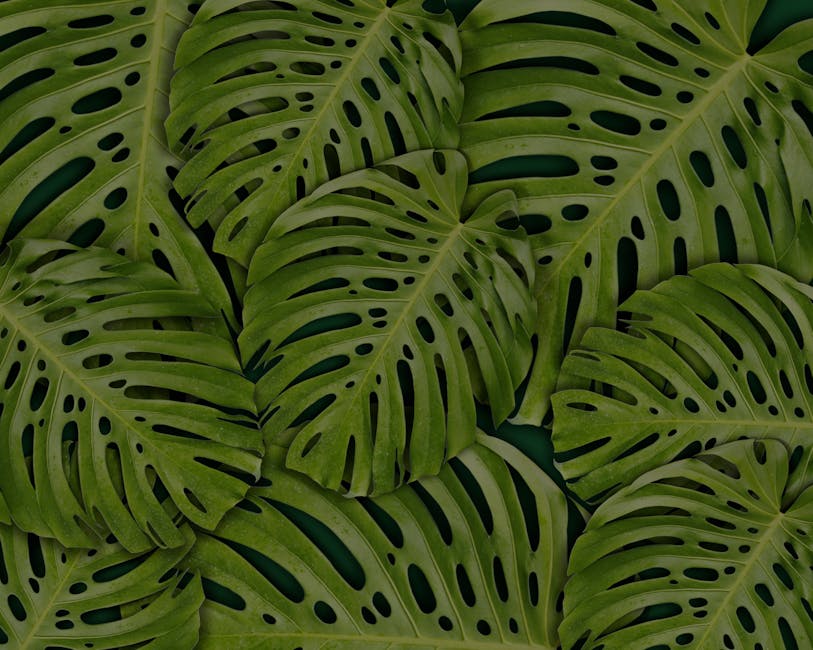
Biophilic homes aren’t just about looking natural they’re built to feel alive. Living walls and indoor gardens are leading the charge. These aren’t just your grandma’s potted plants. We’re talking full blown ecosystems built right into your home’s interior vertical green walls in kitchens, herbs sprouting in the bathroom. Real plants that clean the air and boost the vibe.
Then there’s light. Floor to ceiling windows have gone from luxury design to health essential. They flood the space with daylight and open up sightlines to the outdoors. The result is breathing room visually and emotionally.
Materials matter too. Reclaimed wood with visible marks of use, rough cut stone with depth and grit, tiles made of natural clay, and flooring from cork trees these textures bring nature inside in a no fuss way. They age well, wear honestly, and don’t pretend to be something they’re not.
Finally, air purifying features and water elements are turning homes into self regulating wellness zones. Filtration systems built into vents or green features, indoor fountains, or even just a well placed fish tank. The goal is less polish, more presence. Nature isn’t perfect and that’s the whole point.
Practical Upgrades: How to Bring Biophilia Into Your Space
You don’t need to gut your home to infuse it with nature. Start small. A few well placed houseplants can shift the whole energy of a room. Add natural textures like linen, bamboo, wool anything that tones down the synthetic. Arranging furniture around windows and sticking to light, breathable layouts helps daylight do its thing.
For bigger upgrades, skylights do a lot of heavy lifting. They open up light pathways and shift how spaces feel especially in older homes that run dark. Improving airflow is another underrated win. Swapping out old vents, adjusting window placements, or adding transoms can get your rooms breathing again. Bonus points if you use eco friendly materials like recycled stone, hempcrete, or reclaimed timber.
When it comes to budget, it’s easy to burn through cash fast. Focus on impact. Prioritize the changes you’ll see and feel daily light, air, texture over flashy features. Nature doesn’t need to be expensive; it needs to be present.
Related read: Comparing Traditional and Modern Home Upgrade Styles
Long Term Value: More Than Just Aesthetic
Biophilic design isn’t just about having a prettier home. It’s turning into a serious value add in the 2026 housing market. Buyers are putting a premium on homes that check the right boxes: energy efficiency, low environmental impact, and most notably, a solid connection to nature. That translates into higher resale value not because it’s trendy, but because it hits on real, long term priorities. A home with proper air flow, access to daylight, and space to decompress stands out in listings and moves faster.
Beyond money, there’s personal return. Studies stack up to show better sleep routines, sharper focus, and less stress just from having plants around, decent views, and well considered materials. Even something as simple as adding natural textures or redesigning window placement can shift the mood inside a space.
Then there’s adaptability. Biophilic spaces are better poised to handle climate unpredictability and shifting lifestyle demands. Think passive cooling over expensive AC, or rooms that serve multiple sensory purposes calm for work, rest, or play. When your home works with the environment rather than against it, it holds up and holds value longer.
The Bottom Line
Biophilic design isn’t just a fad or something you scroll past on interior design feeds. It’s a conscious shift in how we live, work, and recharge. When you bring nature into your space whether that’s through a few well placed plants, raw materials, or simply better natural light you’re not decorating. You’re reinforcing health and presence.
This mindset works whether you’re in a micro apartment downtown or tucked into a cabin at the edge of nowhere. It’s not about geography; it’s about intention. Want fresher air? More focus? Less stress? Biophilic choices help. The designs that last aren’t just beautiful they’re rooted in how our brains and bodies actually function best.
At the end of the day, biophilic design is less about luxury, more about longevity. It’s about creating a space that functions like a living system, supporting your daily life quietly but meaningfully. And in a world that’s only getting louder and faster, that stillness matters more than ever.