
Why the Right Tools Matter in 2026
Gardening isn’t just about what you grow it’s about how you grow it. The tools you choose shape everything from your workflow to your plants’ health. Cheap clippers or a poorly designed trowel can cost you more than busted gear they steal your time, energy, and sometimes even ruin your results. Simple truth: the right tool makes the job easier, the results better, and the process more enjoyable.
Today’s tools are smarter and more ergonomic. Thoughtful materials and design reduce wrist strain, minimize bending, and cut down on repetitive motion injuries. That means more stamina for an extra hour in the garden and less recovery time afterward. A well balanced pruner or a lightweight collapsible watering can might seem like small upgrades, but they stack up fast in terms of comfort and consistency.
Investing in durable, multi use tools also means you buy once, not five times. Skip the gimmicks. Go for steel cores, hardwood handles, and products that can handle both delicate seedlings and stubborn roots. A hori hori knife, for example, replaces three other tools. The up front cost might be higher. But less breakage and fewer replacements pays off fast.
The bottom line: well made tools don’t just save time. They make gardening sustainable for your body and better for your plants. Do it right from the start, and your garden (and back) will thank you.
Foundational Tools Worth Every Penny
Start smart. A handful of reliable, everyday tools can take you further than a shed full of gimmicks.
Hand Trowel & Transplanter
Your go to for planting, digging, and moving soil with control. Choose one with a solid grip and stainless steel blade it’ll handle everything from bulb planting to container downsizing. A transplanter offers a narrower blade, ideal for tight spaces and root work.
Bypass Pruners
Sharp, clean cuts matter. Jagged snips can damage plants, leading to disease and slow growth. Bypass pruners use a scissor action blade, perfect for pruning live stems without crushing them. Don’t skimp here; a quality pair makes a real difference in precision and hand fatigue.
Garden Gloves
Not just for looks. A decent set shields you from thorns, grime, chemicals, and whatever else lurks in the beds. Find gloves with breathable fabric and snug cuffs ones that let you sift soil but still keep blisters at bay. Bonus if they’re machine washable.
Watering Can or Wand
Plants don’t want a firehose. For seedlings, herbs, and container plants, a watering can or wand gives you control. Look for cans with a detachable rose head or wands with a shut off valve both let you adjust flow with ease and reduce water waste.
These four tools aren’t optional they’re the baseline for any home gardener looking to grow beyond trial and error.
Tools for Soil and Bed Prep
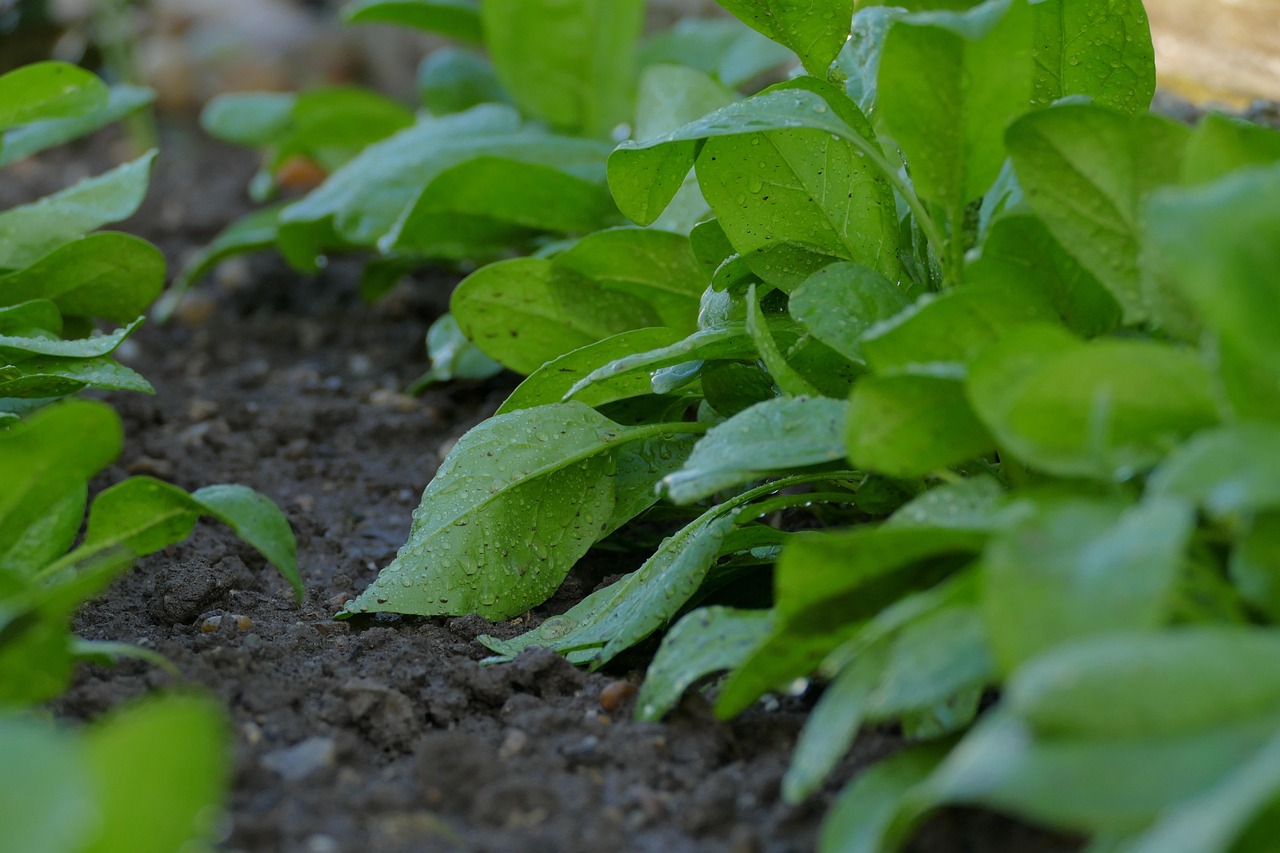
Preparing your soil properly is the foundation of a thriving garden. Using the right tools makes this process more efficient, less strenuous, and more effective. Here’s a look at the soil working essentials every home gardener should consider:
Garden Fork vs. Spade: Knowing When to Use Each
Both tools are excellent for soil prep, but they serve different purposes depending on the task:
Garden Fork: Ideal for loosening compacted soil without slicing through roots or worm tunnels. Perfect for mixing in compost or aerating heavy clay or loamy beds.
Garden Spade: Best suited for digging, edging, and slicing through sod or root systems. Its flat blade makes trenching and transplanting easier.
Tip: Use a fork to lift and fluff, and a spade to cut and move.
Hoe or Cultivator: Weekly Maintenance Must Haves
Consistent weeding and aeration reduce pest infestations and help roots access nutrients. Two tools stand out:
Hoe: Effective for shallow weeding, scraping away unwanted growth before it takes hold. Go for a stirrup or Dutch hoe for ease and speed.
Cultivator: Great for breaking up surface soil, mixing in amendments, and digging around delicate stems without damage. A hand held or long handled version depends on your bed size.
Soil Knife (Hori Hori): A Multi Tool for Real Gardeners
This Japanese gardening tool is beloved for good reason it’s like having several tools in one:
Cuts through roots, twine, or tough soil
Digs precise holes for planting or transplanting
Has depth markers for consistent seed and bulb placement
Why it matters: In tight spots or container gardens, the hori hori is unbeatable for its versatility and efficiency.
Bonus Resource: Understanding the Role of Soil
Want to go deeper? Learn how soil type influences your tool choice by reading Understanding Soil Types and Choosing the Right One for Your Garden. Knowing your soil makes every tool work smarter, not harder.
Game Changers for 2026 Home Gardens
Some tools don’t just help they change how you garden entirely. First up, battery powered mini tillers. They’re light enough to carry, quiet enough for early morning work, and won’t choke the air with fumes. For raised beds or smaller plots, these machines are a clean, efficient alternative to gas powered beasts.
Next, ergonomic tool designs are no longer niche they’re essential. If you’ve got wrist pain, arthritis, or just don’t feel like fighting your shovel, tools with curved handles, softer grips, and lighter frames reduce strain and keep you going longer. Gardening should be hard work, sure but not hard on your body.
Smart gardening tech is also coming into its own. Moisture meters now sync with your phone. Weather linked timers know when to skip a watering cycle. These tools don’t just save time; they make your watering smarter, especially in regions where drought or overwatering are real concerns.
Finally, don’t overlook collapsible wheelbarrows. They fold flat, store easily, and surprisingly, they hold up. Whether you have a backyard shed or just a corner in your garage, they make hauling mulch or pruning clippings simple without eating up space.
In short: tech and thoughtful design are making annual garden chores way less of a slog.
Tool Care = Tool Longevity
Gardening tools don’t ask for much but give them a little attention, and they’ll last you years.
Start with the basics: clean your tools after every use. Dirt holds moisture, and moisture equals rust. A quick rinse and wipe are fine for most jobs. For tougher grime or sap build up, mix up a batch of vinegar and water (1:1), or scrub with baking soda and warm water. No need to get fancy just get the gunk off.
Sharpening and oiling might sound over the top, but they’re not. Dull blades make bad cuts and strain your hands. A few passes with a sharpening file or whetstone every couple of uses makes a real difference. Add a light coat of oil (any plant safe oil works linseed, mineral, even a touch of WD 40 for metal only tools) to prevent rust and keep moving parts smooth.
Storage matters more than folks think. Tossing tools in a damp shed is a shortcut to early retirement for the tool, not you. Hang them up, store them indoors if you can, and keep handles off the ground. Simple habits, better performance, fewer replacements.
Care pays off. Just a few extra minutes after each session can add years to the life of your gear.
Gear Up for Growth
As any experienced home gardener will tell you, great gardens don’t grow on effort alone having the right tools on hand makes every task easier, faster, and more enjoyable. But that doesn’t mean you need to buy everything at once.
Start with the Basics
Build your toolkit with foundational tools that can handle the everyday tasks of a small home garden:
A sturdy hand trowel and transplanter for planting and soil work
Quality pruning shears for keeping plants healthy and well shaped
Comfortable garden gloves to protect your hands from thorns, dirt, and abrasives
A reliable watering can or hose wand for controlled hydration
These essentials form the backbone of a productive setup.
Upgrade as You Grow
Once you’ve locked in the basics, consider adding tools that match your garden’s scale and your personal goals. Whether it’s a specialized soil knife or smart tech additions, these upgrades should serve a purpose not just fill space on the shelf.
Add tools strategically based on your most frequent tasks
Look at how your gardening habits evolve through the seasons
Don’t rush to buy the trendiest item know your needs first
What Really Matters: Comfort & Quality
A flashy label or limited edition color doesn’t grow vegetables. Healthy plants come from consistent care and that’s made possible by:
Ergonomic grips that reduce hand fatigue
Multi use tools that minimize clutter
Durable construction that stands up to real garden work
More Garden, Less Struggle
The right gear should make gardening feel less like a chore and more like a flow. When your tools work with you not against you you gain hours back in your week and energy back in your hands.
In short:
Invest in comfort and function over hype
Let experience guide your upgrades
Every tool should make gardening smoother, not more complicated