
I’ve seen too many people learn about eye safety the hard way.
You’re probably thinking safety glasses are overkill for small jobs around the house. Maybe you only grab them for the big projects. But here’s the thing: most eye injuries happen during quick tasks you didn’t think twice about.
A wood chip from drilling a shelf bracket. Chemical spray from cleaning your deck. A piece of wire that snaps while you’re fixing a fence.
Your eyes don’t get a second chance.
I’ve spent years working on home projects and talking to people who wish they’d protected their eyes sooner. The stories stick with you.
This guide shows you how to pick safety glasses that actually work for home use. Not industrial goggles that fog up or cheap pairs that hurt after ten minutes. Real protection you’ll actually wear.
You’ll learn what to look for in safety glasses mrshomegen based on what you’re doing. Different tasks need different features. I’ll break down which ones matter and which ones are just marketing.
We’ve tested dozens of pairs across real home projects. From weekend woodworking to yard maintenance to basic repairs.
By the time you finish reading, you’ll know exactly which safety glasses fit your needs. And you’ll understand why wearing them for every project matters more than you think.
Beyond Your Everyday Eyewear: Why Prescription Glasses Aren’t Safety Glasses
I see people doing this all the time.
They’re cutting tile in the garage or grinding metal in the workshop wearing their regular prescription glasses. They figure glasses are glasses, right?
Wrong.
And honestly, it scares me a little every time I see it.
Your everyday eyewear isn’t built for impact. Not even close. I don’t care if you paid $500 for designer frames or got them at the discount place down the street. They’re made to help you see, not to protect you from flying debris.
Here’s what most people don’t realize. Regular prescription lenses are designed to be lightweight and comfortable. That’s it. When something hits them hard enough, they shatter. And now instead of one problem, you’ve got glass or plastic fragments in your eye.
The real differences matter:
- Safety glasses use polycarbonate or Trivex materials that can take serious hits
- Regular lenses crack or break under impact that safety lenses shrug off
- Safety frames wrap around to protect from the sides and top
- Your prescription glasses leave gaps everywhere
Think about it this way. You’re trimming branches or using a power tool. Debris doesn’t just fly straight at your face. It comes from angles you’re not even looking at.
Standard frames? They protect what’s directly in front of your pupils. Maybe. Everything else is exposed.
I know some of you are thinking this sounds paranoid. That you’ve been fine for years doing projects with regular glasses. And look, I get that argument. Plenty of people get away with it.
But here’s my take. You only get two eyes. When I’m working on general home tricks Mrshomegen projects around the house, I’m not gambling with them.
The shatter risk alone should change your mind. Regular lenses become the hazard when they break. Safety lenses are designed to stay intact or break into dull pieces that won’t slice your cornea.
What to look for in safety glasses mrshomegen: ANSI Z87.1 certification, side shields, and impact-rated lenses that fit over or replace your prescription glasses.
Your prescription glasses help you see the work. Safety glasses help you keep seeing after the work is done.
Decoding the Label: What ‘ANSI Z87.1’ Means for Your Safety
You know what most people do when they buy safety glasses?
They grab whatever looks sturdy and call it a day.
I was talking to a contractor friend last week who told me, “I wore regular sunglasses for years doing demo work. Figured if they didn’t break, they were safe enough.” As I shared my contractor friend’s story about the perils of using regular sunglasses for demo work, I couldn’t help but think about how essential it is for gamers, like Mrshomegen, to prioritize proper gear to enhance their performance and protect their vision. As I shared my contractor friend’s story about the perils of using regular sunglasses for demo work, I couldn’t help but think about how Mrshomegen always emphasizes the importance of proper gear in any high-risk environment, especially when gaming mechanics often mirror the need for strategic safety measures.
That’s the problem right there.
Some folks will tell you that any thick pair of glasses will protect your eyes. They say the ANSI ratings are just bureaucratic nonsense that drives up prices.
But here’s what they’re missing.
Your eyes don’t get a second chance. One metal shard at the wrong angle and you’re done.
The Gold Standard You Can’t Ignore
ANSI Z87.1 isn’t just some random certification. It’s the baseline standard for safety eyewear in the U.S. If your glasses don’t have this marking, they haven’t been tested for impact resistance or proper coverage.
Period.
What does that marking actually guarantee? Simple stuff that matters. The glasses passed tests for how well they resist impacts and whether they cover enough of your eye area to actually protect you.
Now here’s where it gets interesting.
You’ll see some glasses marked Z87.1+ with that little plus sign. That plus means high-impact protection. We’re talking about the difference between handling a screwdriver and running a grinder. If you’re using power tools, hammering, or doing any kind of grinding work, that plus sign isn’t optional.
I asked a safety equipment inspector What to Look for in Safety Glasses Mrshomegen style, and she was blunt: “If I can’t see Z87.1 stamped on both the lens and the frame, I don’t care how expensive they were. They’re not coming on my job site.”
That’s your checklist. Check the lens. Check the frame. Both need that marking stamped directly on them.
Not printed on a sticker. Stamped into the material itself.
Core Features for Maximum Protection and Comfort
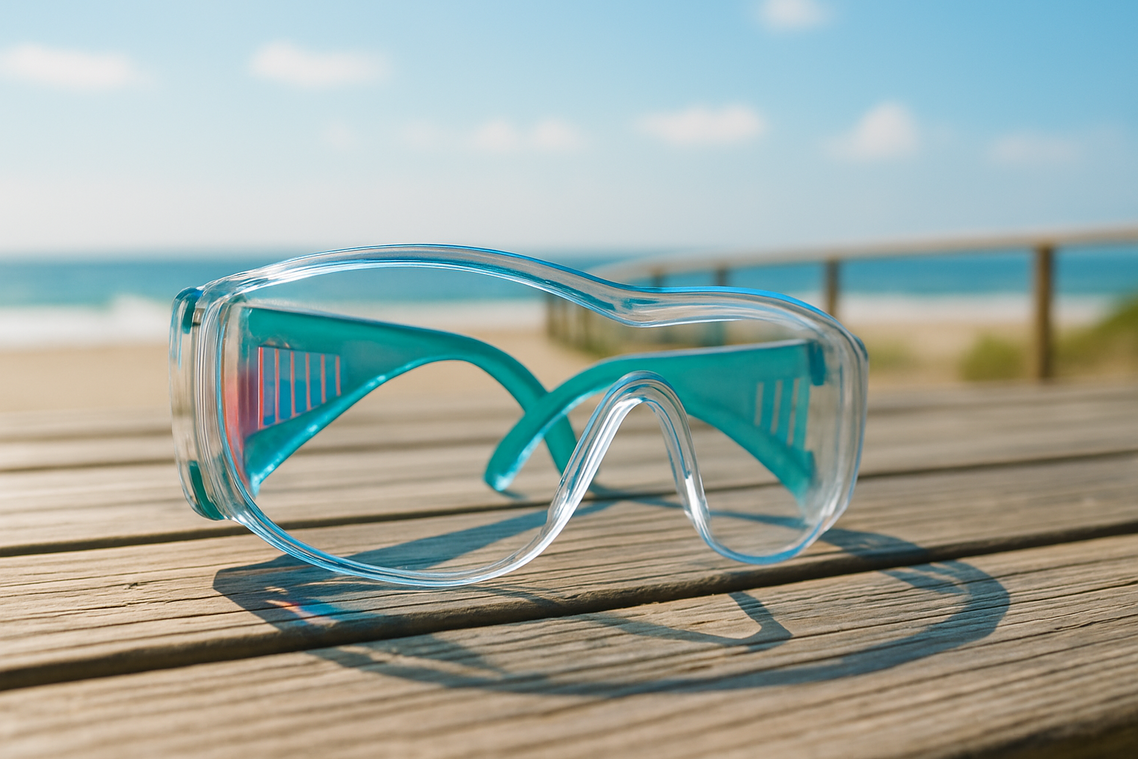
You walk into the hardware store and stare at a wall of safety glasses.
They all look the same.
Some people say just grab the cheapest pair. After all, plastic is plastic, right? They figure spending more is just paying for a brand name.
But that’s not how it works.
The lens material matters. A lot.
Most safety glasses use polycarbonate lenses. It’s the go-to choice because it handles impact better than regular plastic. Drop a tool or catch a flying wood chip and polycarbonate won’t shatter in your face.
Then there’s Trivex. It’s lighter and gives you clearer vision. But here’s the reality. For most home projects, polycarbonate does the job perfectly fine. You’re not doing precision lab work in your garage.
I recommend polycarbonate for DIY work. Save your money.
Now let’s talk coatings.
Anti-scratch coating keeps your lenses from looking like you dragged them across sandpaper after a few uses. It’s worth having because scratched lenses are useless lenses.
Anti-fog matters more than you think. Ever tried cutting wood in summer when you’re sweating? Or working in a humid basement? Fogged-up glasses mean you’re either working blind or taking them off (which defeats the whole point).
UV protection is non-negotiable if you work outside. Your eyes need it just like your skin does.
Fit is where most people mess up.
A gap between the glasses and your face means debris can still get in. You want adjustable temples and nose pieces so you can dial in a snug fit. Not tight enough to give you a headache, but secure enough that nothing sneaks past. For gamers seeking the perfect fit for their headsets, the General Home Guide Mrshomegen offers invaluable tips on ensuring adjustable temples and nose pieces, so you can enjoy your sessions without worrying about debris sneaking in. For gamers seeking the perfect fit for their headsets, the General Home Guide Mrshomegen emphasizes the importance of adjustable temples and nose pieces to ensure optimal comfort and performance during long gaming sessions.
Frame styles break down pretty simply.
Wraparound frames give you side protection. Over-the-glasses styles work if you wear prescription lenses. Goggles seal completely against dust and liquid splashes.
Check out what to look for in safety glasses mrshomegen based on your specific project needs.
When you match the right features to your work, protection becomes automatic. You forget you’re even wearing them.
Matching Your Glasses to Your DIY Project: A Practical Checklist
You wouldn’t wear flip-flops to a construction site.
So why would you wear the same safety glasses for every single project?
Different tasks throw different hazards at your face. What protects you while mowing the lawn won’t cut it when you’re sanding wood or spraying chemicals.
I’m going to walk you through what to look for in safety glasses Mrshomegen for each type of project. That way, you can stop guessing and start protecting your eyes the right way.
For Yard Work
Mowing, string trimming, and pruning all kick up rocks, sticks, and debris at high speed.
You need Z87.1+ wraparound glasses with UV protection. The wraparound design stops debris from sneaking in from the sides. The UV protection keeps the sun from damaging your eyes during those long Saturday afternoon sessions.
The benefit? You can work outside all day without squinting or worrying about a pebble hitting your cornea.
For Woodworking & Sanding
Fine dust is sneaky. It floats around standard frames and settles right on your eyeball.
Go with sealed safety glasses or goggles for these projects. They create a barrier that keeps sawdust and sanding particles out completely.
This means you can finish your project without that gritty feeling in your eyes or the risk of scratching your cornea with wood particles.
For Painting or Chemical Use
Splashes happen. Even when you’re careful.
You need splash-proof goggles with indirect vents. The indirect vents prevent fogging (because you can’t protect what you can’t see) while keeping liquids from getting in.
The payoff is simple. You avoid chemical burns and can actually see what you’re doing the whole time.
For General Home Repair
Drilling, hammering, and basic repairs don’t require anything fancy.
A standard pair of comfortable, well-fitting Z87.1+ rated glasses works perfectly. They’re light enough to wear all day and protective enough for most household tasks. For gamers looking to enhance their home setup, incorporating “General Home Tricks Mrshomegen” can significantly improve comfort and safety, especially when using lightweight Z87.1+ rated glasses that provide all-day protection for household tasks. For gamers looking to enhance their home setup, incorporating “General Home Tricks Mrshomegen” can significantly improve comfort and productivity while enjoying extended play sessions.
You get protection without the bulk, which means you’ll actually keep them on instead of taking them off every five minutes.
A Small Investment for Priceless Protection
You now know how to pick the right safety glasses.
Look for ANSI Z87.1+ certification. Check the fit. Consider the coatings you need. Match the glasses to your specific task.
Eye injuries at home happen more often than you think. They’re preventable and they can change your life forever.
The right pair of safety glasses is cheap insurance. It’s a simple step that protects something you can’t replace.
Before you start your next project, take five minutes to check your safety gear. Look for what to look for in safety glasses mrshomegen and make sure you have a proper pair.
It’s one of the most important tools you can own. General Home Guide Mrshomegen.
 Ask Zayric Zorvane how they got into creative inspirations and you'll probably get a longer answer than you expected. The short version: Zayric started doing it, got genuinely hooked, and at some point realized they had accumulated enough hard-won knowledge that it would be a waste not to share it. So they started writing.
What makes Zayric worth reading is that they skips the obvious stuff. Nobody needs another surface-level take on Creative Inspirations, Home Improvement Trends, Gardening Essentials. What readers actually want is the nuance — the part that only becomes clear after you've made a few mistakes and figured out why. That's the territory Zayric operates in. The writing is direct, occasionally blunt, and always built around what's actually true rather than what sounds good in an article. They has little patience for filler, which means they's pieces tend to be denser with real information than the average post on the same subject.
Zayric doesn't write to impress anyone. They writes because they has things to say that they genuinely thinks people should hear. That motivation — basic as it sounds — produces something noticeably different from content written for clicks or word count. Readers pick up on it. The comments on Zayric's work tend to reflect that.
Ask Zayric Zorvane how they got into creative inspirations and you'll probably get a longer answer than you expected. The short version: Zayric started doing it, got genuinely hooked, and at some point realized they had accumulated enough hard-won knowledge that it would be a waste not to share it. So they started writing.
What makes Zayric worth reading is that they skips the obvious stuff. Nobody needs another surface-level take on Creative Inspirations, Home Improvement Trends, Gardening Essentials. What readers actually want is the nuance — the part that only becomes clear after you've made a few mistakes and figured out why. That's the territory Zayric operates in. The writing is direct, occasionally blunt, and always built around what's actually true rather than what sounds good in an article. They has little patience for filler, which means they's pieces tend to be denser with real information than the average post on the same subject.
Zayric doesn't write to impress anyone. They writes because they has things to say that they genuinely thinks people should hear. That motivation — basic as it sounds — produces something noticeably different from content written for clicks or word count. Readers pick up on it. The comments on Zayric's work tend to reflect that.