
Why Upcycling Still Works in 2026
Buying new furniture isn’t what it used to be. Prices have climbed steadily in the wake of the post pandemic supply chain mess, and the cost of what used to be a simple couch or dining table now makes people pause. Upcycling turns that pause into an opportunity. Instead of shelling out four figures for a fresh piece, more people are picking up a sander or brush and making something better from what they already have.
There’s also the sustainability angle. The furniture industry is the third largest consumer of wood globally. That’s a lot of trees and a lot of landfills filling with busted particleboard. Upcycling keeps old pieces in service, cutting down on waste and keeping quality materials in play. It’s practical, good for the planet, and lets you skip the assembly instructions.
And there’s style. New might mean uniform and mass produced. Upcycled means original. A refinished cabinet with bold paint or a reupholstered bench in vintage fabric holds more character than anything you’d find factory made. It tells a story, fits your space, and doesn’t look like it came off the same online page everyone else is scrolling. Upcycling in 2026 is about saving money, saving resources, and building a home that actually feels like you.
Start with What You Have
Before you buy supplies or sketch your vision, step back and look at what’s already in your garage, attic, or local thrift shop. Taking stock honestly saves cash, time, and a few headaches.
Start by checking the bones. Furniture made from solid wood oak, maple, walnut deserves a second chance. Knock on it. If it feels heavy and sounds solid, you’re on the right track. Look for classic lines and strong shapes. A table with clean edges or a dresser with a timeless silhouette will hold up better to a makeover than trendy mass market pieces. Wobbly legs and chipped veneer aren’t deal breakers if the core structure is solid and the damage is surface level.
If something’s too far gone warped MDF, moldy fabric, cracked particleboard it might be time to recycle, not upcycle. Don’t waste time gluing and sanding something that won’t last another year. The line is simple: if it can be restored to serve its function and still look good, it has potential. If it’s falling apart with no real fix, let it go.
Upcycling works best when you know what to keep and what to toss. The furniture doesn’t have to be pretty yet it just needs a solid foundation and a good shape you can build on.
Simple Touches That Go a Long Way
You don’t need a studio or a big budget to breathe life back into tired furniture. The trick is knowing where small changes deliver oversized impact.
Start with paint and stain. Chalk paint is forgiving for beginners no need to sand, and it leaves a matte, vintage finish. Want something lighter and beachy? Whitewashing lets some wood texture peek through while toning down heavy hues. For bolder contrast, two tone finishes (think a painted base with a natural top) add just enough edge without going overboard.
Next, hardware. Swapping out knobs, pulls, and hinges is a ten minute job with clear results. Go brass for classic warmth or matte black for a modern look. It’s one of the fastest ways to shift the vibe of a drawer or cabinet.
Got an old chair with good bones? Reupholster it. New fabric isn’t just about aesthetics it can change how a piece feels and functions. Ottomans, dining seats, even headboards are easier than they look with the right stapler and patience.
Last, surface tricks. Decoupage adds texture and pattern with minimal effort. Contact paper can mimic marble, wood, or tile, and works especially well for flat surfaces. Glass overlays turn a common tabletop into something polished and easy to clean.
Each of these updates, on its own, takes a piece from dated to fresh. Stack two or three together, and you’ve got a full on transformation that didn’t break the bank or your back.
DIY Doesn’t Mean Complicated
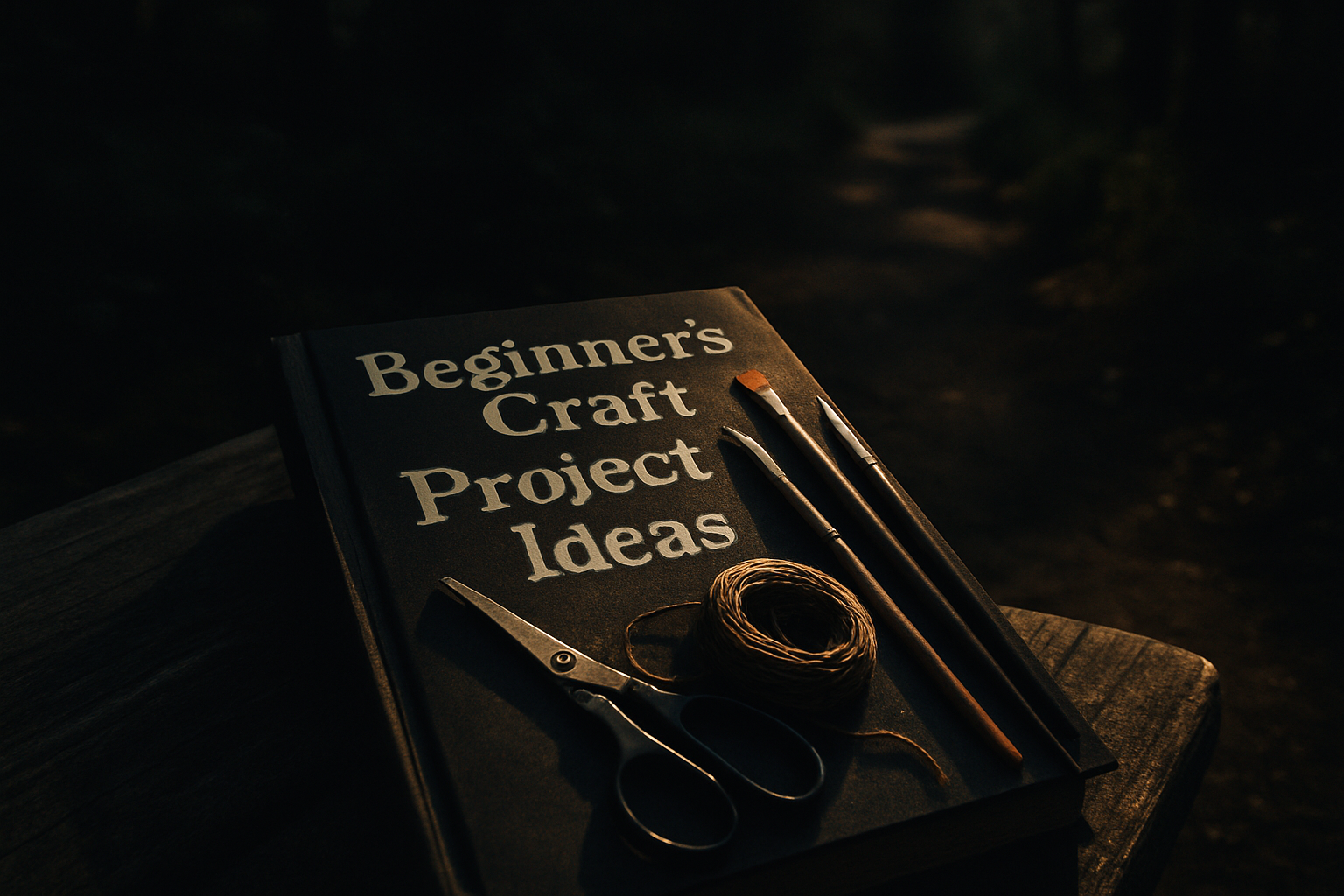
Let’s get real upcycling doesn’t require a full garage of power tools or a high end workshop. If you’re just getting started, these are the tools that matter: a basic sanding block, a reliable paintbrush (ditch the dollar store ones), painter’s tape, and a screwdriver set. Optional but helpful: a staple gun, small drill, and rubber mallet. Anything beyond that is nice to have but not essential. Don’t blow your budget on cordless saws or orbital sanders especially if you’re working on small furniture pieces.
Speaking of budget, yes you can totally transform a piece for under $30. A can of chalk paint usually runs around $12, swap knobs start at $1 apiece, and fabric remnants can be found cheap at local shops or online. Stick to one major upgrade at a time: a color refresh, new hardware, or a simple reupholster. Pacing your enhancements keeps costs low and decisions easier.
Now the no fun but necessary part: safety. Always work in a well ventilated space. Wear a dust mask when sanding and gloves when using epoxy or heavy duty finishes. Avoid rushing most mistakes (and minor injuries) happen when you’re trying to ‘just finish it already.’ Keep pets and kids out of the work zone, and read the label on everything. Most DIY fails happen due to skipping the boring part: instructions.
Start small, stay safe, and don’t get distracted by gear you don’t need. Function first. Flair can always come later.
Style with Purpose
Turning an old dresser into something fresh doesn’t mean it has to feel out of place. The key is matching the piece to the vibe of your space. For rustic, think distressed paint or natural wood finishes. If you lean modern, clean lines and matte black or brass hardware keep things sleek. Eclectic? That’s your permission slip to mix patterned fabric on one drawer, bold color on the next, and maybe a funky leg swap, too.
Layering matters more than people think. Texture gives life to a piece. Try mixing finishes matte paint with gloss details, or smooth surfaces paired with woven elements. Don’t be afraid of contrast; just make sure there’s a visual balance. For example, a heavy wood table can carry a bold color, while a light metal chair might benefit most from soft upholstery.
But here’s the trick balancing style with how you’ll actually use it. That painted stool might be cute, but will the surface hold up to boots or mugs? A velvet bench looks great until it becomes a magnet for dog hair. Think about your everyday habits and tweak the design to match. Upcycling isn’t just about aesthetics. It’s about making something that actually works for you, in your space, right now.
Real Projects, Real Inspiration
Some of the best upcycled furniture projects come from everyday people with a drill in one hand and a weekend to spare. Before and after transformations to try? Start simple. Turn a chipped dresser into a sleek sideboard with new knobs and a matte black finish. Give an old coffee table fresh legs and a splash of color. Or convert a worn out chair into a statement piece using bold fabric and a staple gun.
Need some direction? Check out our reader favorite: 5 Weekend DIY Projects to Upgrade Your Living Room. It’s full of practical builds that don’t overwhelm.
Sharing your own work is part of the journey. Use clean, side by side photos to highlight transformations same angle, decent lighting. Short video walkthroughs can earn you traction on Instagram Reels or TikTok. For reach, don’t just show the end result. Talk through the how and why. People want the story, not just the surface. Be honest about the mess, proud of the process, and clear on what tools and materials you used. Your upcycle can inspire someone else to finally fix up that wobbly nightstand they’ve been ignoring for months.
Final Touch
Your Upcycling Project Checklist
Before you dive into your next furniture transformation, run through this quick list to make sure you’re prepped for success:
Assess the Piece
Is the structure solid? (Check for real wood, stable joints, no sagging)
Does it have a shape or details you can enhance?
Gather Supplies
Sandpaper or sanding block
Primer and paint or wood stain
New hardware (optional)
Brushes, rollers, or spray can (depending on your technique)
Protective gear: gloves, mask, drop cloth
Choose Your Method
Paint, stain, or both?
Add ons like fabric, decoupage, or stencils?
Will you need any tools for minor repairs (e.g. wood glue, clamps)?
Plan Your Timeline & Space
Do you have 2 3 days for sanding, drying, and sealing?
Is your workspace well ventilated and dust free?
Looking Ahead: How Upcycling Fits 2026 Design Trends
Upcycling isn’t just a DIY movement it’s still very much in step with current interior design priorities. The trends for 2026 only deepen its relevance:
Sustainable & Circular Design
Eco conscious homes are a top priority in 2026
Consumers are choosing reclaimed furniture over cheap mass produced options
Personalization Over Perfection
People value pieces with character imperfections tell a story
Unique textures, mismatched finishes, and bold DIY touches are on trend
Natural & Mixed Materials
Combining natural wood with metal, glass, or textiles is popular
Upcycled pieces that mix these materials feel both grounded and current
By incorporating reclaimed furniture into your space, you’re not just saving money you’re creating something that reflects who you are, where style meets intention.
 Ask Zayric Zorvane how they got into creative inspirations and you'll probably get a longer answer than you expected. The short version: Zayric started doing it, got genuinely hooked, and at some point realized they had accumulated enough hard-won knowledge that it would be a waste not to share it. So they started writing.
What makes Zayric worth reading is that they skips the obvious stuff. Nobody needs another surface-level take on Creative Inspirations, Home Improvement Trends, Gardening Essentials. What readers actually want is the nuance — the part that only becomes clear after you've made a few mistakes and figured out why. That's the territory Zayric operates in. The writing is direct, occasionally blunt, and always built around what's actually true rather than what sounds good in an article. They has little patience for filler, which means they's pieces tend to be denser with real information than the average post on the same subject.
Zayric doesn't write to impress anyone. They writes because they has things to say that they genuinely thinks people should hear. That motivation — basic as it sounds — produces something noticeably different from content written for clicks or word count. Readers pick up on it. The comments on Zayric's work tend to reflect that.
Ask Zayric Zorvane how they got into creative inspirations and you'll probably get a longer answer than you expected. The short version: Zayric started doing it, got genuinely hooked, and at some point realized they had accumulated enough hard-won knowledge that it would be a waste not to share it. So they started writing.
What makes Zayric worth reading is that they skips the obvious stuff. Nobody needs another surface-level take on Creative Inspirations, Home Improvement Trends, Gardening Essentials. What readers actually want is the nuance — the part that only becomes clear after you've made a few mistakes and figured out why. That's the territory Zayric operates in. The writing is direct, occasionally blunt, and always built around what's actually true rather than what sounds good in an article. They has little patience for filler, which means they's pieces tend to be denser with real information than the average post on the same subject.
Zayric doesn't write to impress anyone. They writes because they has things to say that they genuinely thinks people should hear. That motivation — basic as it sounds — produces something noticeably different from content written for clicks or word count. Readers pick up on it. The comments on Zayric's work tend to reflect that.