
Why Indoor Gardening Works in 2026
Indoor container gardening isn’t just a trend it’s a lifeline for anyone living in a tight space. No backyard? No problem. A windowsill, corner shelf, or tiny balcony is all you really need to get started. For apartment dwellers and urban renters, it’s a way to bring a bit of nature home without sacrificing square footage.
It’s also a year round solution. Whether you’re battling snow in January or dodging heat waves in August, indoor growing gives you steady access to fresh herbs and greens, even when outdoor conditions fail you. Basil in December? Tomatoes in March? Completely doable with the right setup.
The best part: you don’t need a green thumb to begin. Indoor gardening keeps things approachable. No sprawling garden plots, no tilling, no heavy lifting. Just a few containers, some good light, and a willingness to learn as you go. For beginners, this is where you plant the seed literally and grow confidence along the way.
Choosing the Right Plants for Indoors
Starting an indoor garden doesn’t mean you need a green thumb from day one. Some plants are just built to forgive you. Basil and rosemary are great starter herbs they grow fast, smell amazing, and are simple to trim and use in meals. For houseplants, snake plant and pothos are practically unkillable. They’re flexible with water and light, and they bounce back from neglect better than most.
Understanding light needs is the trick to keeping these plants happy. Herbs like basil and rosemary want bright, direct sun ideally by a big window or under a decent grow light. On the other hand, snake plant and pothos are chill in lower light and don’t complain much. If you’re unsure about your lighting, start with decorative greens. Build up to the fussier edible stuff as you get confident.
Looking ahead to 2026, the best edible plants for indoor success are compact, quick growing, and versatile. Think mint, chives, cherry tomatoes (look for patio sized varieties), and lettuce mixes. They’re all fairly cooperative indoors and offer a steady supply of flavor with minimal space.
Keep it simple. Grow what you like to eat or what you can’t kill. Ideally both.
Picking the Perfect Containers
Let’s keep it simple: bad drainage leads to dead plants. No matter how pretty the pot looks, if it doesn’t have holes at the bottom, it’s a water trap. Look for containers with drainage holes always. If you fall in love with a pot that doesn’t have one, either drill your own or use it as a decorative cover for a plain plastic liner that does.
Now, materials. Clay (terracotta) pots are breathable, which helps prevent overwatering, but they do dry out faster great for herbs and succulents. Plastic containers retain moisture longer and are lighter, making them solid picks for people who forget to water consistently. Self watering planters offer a bit of a buffer zone and can reduce the guesswork, especially in hot or dry homes.
Sizing is straightforward: small herbs and compact greens (like basil or mint) do fine in 6 8 inch pots. For larger veggies or houseplants, step it up to 10 14 inches. Deep rooted plants? Go tall. Clumping roots? Go wide. Don’t overcrowd. Giving roots room makes happier, more resilient plants.
Choose your containers with a mix of function and form. Your plants will thank you by actually staying alive.
Potting Soil and Fertilizer Basics
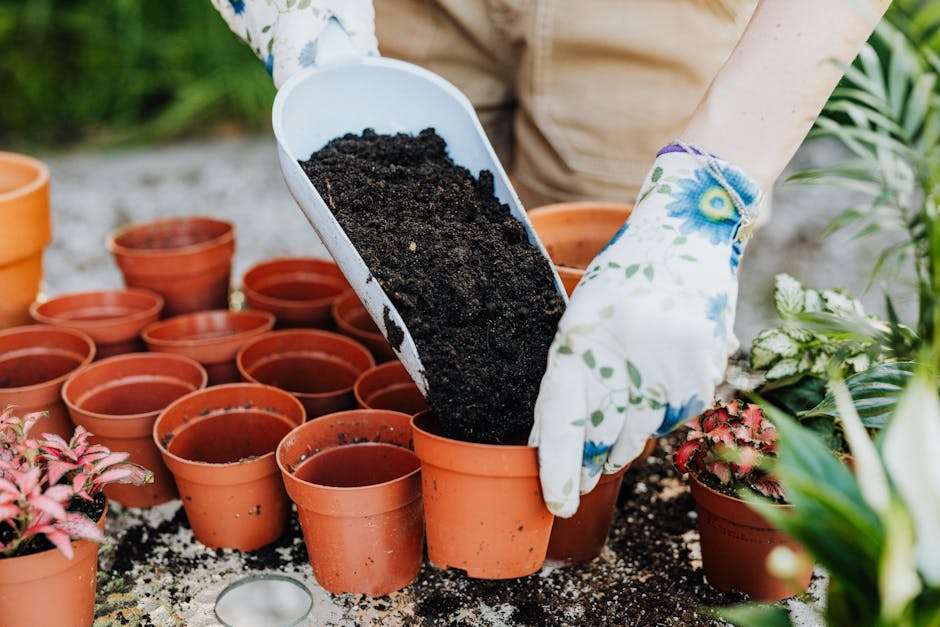
Bringing dirt in from the backyard and dumping it into a pot sounds easy, but it’s a bad idea indoors. Outdoor soil is dense, may carry pests, and doesn’t drain well in containers. Once it’s inside, it compacts fast choking roots and blocking airflow. That’s a quick route to fungus, rot, and disappointment.
Good indoor potting soil is light, fluffy, and full of organic matter. You want something with peat moss or coco coir for moisture control, plus perlite or vermiculite for aeration. This creates space for roots to breathe and grow, especially in the limited real estate of a container. Think sponge, not brick.
When it comes to feeding your plants, don’t overcomplicate it. Start with a balanced, all purpose liquid fertilizer and dilute it less is more. A feeding every 2 4 weeks during the growing season usually does the job. Watch your plant’s leaves for signs: pale? Could be a nutrient issue. Leaves curling or browning? Step back and assess. Plants don’t need perfection; they need you to pay attention.
Keep it simple. Use the right potting mix, give roots a little breathing room, and feed on a schedule you can remember. That’s the foundation of a healthy indoor garden.
Light and Watering Know How
Creating the right environment indoors can make or break your gardening journey. Managing light and water properly ensures your plants thrive even if your home doesn’t get much natural sunlight.
Managing Low Light Rooms
Not every indoor space is blessed with bright, direct sunlight. If you’re working with low light conditions, don’t worry many plants adapt well with the right care.
Tips for low light spaces:
Choose shade tolerant plants like pothos, ZZ plant, or Chinese evergreen
Position plants near bright windows even indirect light can help
Rotate plants weekly to ensure even growth
Keep windows clean to maximize natural light exposure
Choosing the Right Grow Lights
When natural light isn’t enough, grow lights can fill the gap. They support healthy photosynthesis and encourage strong growth, especially in winter or darker rooms.
Best grow light options for small spaces:
LED grow lights: Energy efficient and widely available
Clamp or clip on lights: Perfect for shelves or desktops
Full spectrum bulbs: Mimic sunlight and support all plant stages
Timer features: Help automate your lighting schedule (12 16 hours/day is ideal for most plants)
Avoiding Common Watering Mistakes
Watering seems simple, but it’s one of the most common areas where beginners go wrong. Too much or too little can cause stress and even kill plants.
Top watering tips for beginners:
Always check the top inch of soil before watering
Use pots with proper drainage holes to prevent root rot
Avoid letting your plants sit in standing water
Group plants with similar watering needs together
Pro Tip: Invest in a moisture meter to get accurate readings it’s more reliable than guessing.
With the right lighting strategy and watering routine, your indoor garden will stand a much better chance of flourishing long term.
Must Have Tools to Get Started
You don’t need a shed full of gear to grow plants indoors but a few reliable tools make the job way easier. Here’s what deserves a permanent spot in your indoor gardening kit:
-
Hand Trowel Your go to for transplanting, digging, and smoothing soil. Compact and sharp ones are best for tight pots.
-
Watering Can with Narrow Spout Indoor plants don’t need a deluge. Look for one that lets you water gently and with control.
-
Pruning Shears or Snips Keep your herbs and houseplants in shape. Sharp snips help avoid messy cuts and stressed plants.
-
Moisture Meter If you’re unsure whether to water or wait, this tool saves guesswork (and roots).
-
Spray Bottle Boosts humidity for tropical plants and doubles as a gentle pest control tool when needed.
For more tool suggestions, including budget friendly picks and expert favorites, check out Top Gardening Tools Every Home Gardener Needs.
Common Problems and How to Fix Them
Yellowing leaves can mean a few things. If older leaves are the only ones turning yellow, your plant may just be aging normally. But if several leaves are doing it at once, it usually points to overwatering or low light. Don’t just water on schedule check the soil first. If it’s damp two inches down, hold off.
Root rot is another silent killer. It happens when water sits in the pot too long often because of poor drainage. If your plant smells funky or leaves are limp and mushy, slide the plant out and inspect the roots. Brown and mushy? Time to prune, repot, and cut back on watering.
Pests like spider mites and fungus gnats love indoor plants. Wipe leaves regularly and look under them pests hide there. Neem oil sprays or insecticidal soap can handle most infestations without chemicals.
If growth has stalled and roots are circling inside the pot, it’s probably time to repot. That usually means upgrading to a container just 1 2 inches wider. Don’t rush it plants like to feel a bit snug. But once rootbound, they can’t thrive.
Stay observant. Most plant problems give you warning signs you just need to read the signals.
Daily and Weekly Habits for Success
Building a consistent routine is the key to thriving indoor plants. When life gets busy, it’s the small, repeatable habits that keep your garden healthy without feeling like a chore.
Keep It Low Maintenance
You don’t need to spend hours tending to your containers. A simple, manageable routine works best for beginners and busy lifestyles.
Designate short check in times Aim for 5 10 minutes a day, or 15 20 minutes twice a week
Group plants with similar care needs This cuts down on confusion and minimizes maintenance
Use a watering schedule Pair watering with another routine (e.g., morning coffee or weekend cleanup)
Track Growth and Moisture Levels
Monitoring plant health doesn’t need to be tech heavy or complex.
Use a basic gardening journal Note when you watered, fed, or repotted plants
Try finger testing soil Stick your finger 1 2 inches into the soil; if it feels dry, it’s likely time to water
Consider moisture meters These simple tools are inexpensive and especially helpful for beginners
Make Consistency Easy
Staying consistent is less about willpower and more about systemizing your care process.
Keep tools and watering cans close by and ready
Set reminders on your phone or calendar until habits form
Automate where possible Self watering containers or simple drip systems are great time savers
By building light touch habits into your daily or weekly routine, your indoor container garden will thrive with minimal stress and maximum satisfaction.